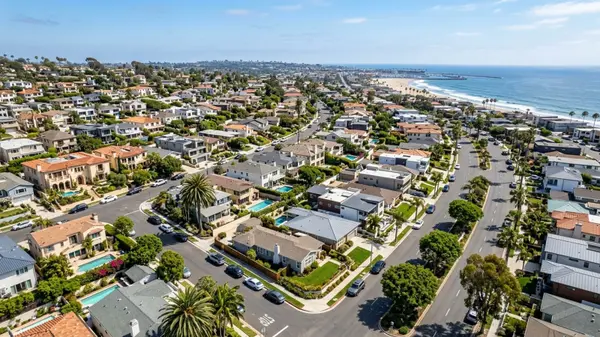

What to Expect From Property Taxes in Redondo Beach, CA
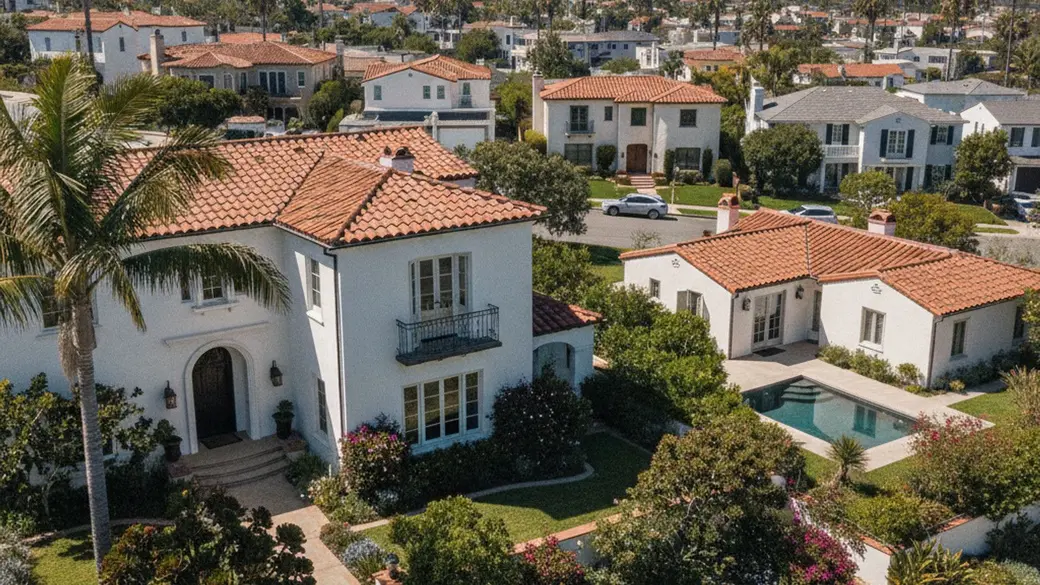
The median sale price for a home in Redondo Beach, CA sits at roughly $1,533,500 midway through 2026. With local homes spending an average of just 39 days on the market, buyers need to calculate their carrying costs quickly before making an offer. Partnering with the best real estate agent in Redondo Beach helps ensure your bid stands out.
Property taxes represent a major portion of those ongoing monthly housing expenses. Los Angeles County handles the billing and collection for the city, meaning your payments go through the county rather than a local municipal office.
Understanding how the auditor-controller calculates your bill, applies local levies, and enforces payment deadlines helps you budget accurately for a purchase in the South Bay. Knowing the rules around state tax caps can also give you long-term predictability for your finances.
Current Property Tax Rates in Redondo Beach
California applies a base property tax rate of 1% to all real estate across the state. For a property in Redondo Beach, CA, the effective property tax rate typically lands between 1.19% and 1.25% for the 2025-2026 fiscal year.
The difference between the 1% state base and the local effective rate comes from voter-approved bonds and municipal levies. These additional charges fund regional infrastructure, community college districts, and local school district improvements.
The Los Angeles County treasurer and tax collector manages the entire billing process for these combined rates. They calculate your annual obligation based on the property's assessed value and mail the bills directly to your address or your mortgage servicer.
How Proposition 13 Limits Annual Tax Increases
California law places a firm cap on how much your property tax bill can grow year over year. Under Proposition 13, the county assessor sets your home's base assessed value at the exact purchase price when you close on the property.
From that baseline, the assessed value can only increase by a maximum of 2% annually. This cap remains in place even if market values in your neighborhood rise by 10% or 15% in a single year.
This system provides long-term financial predictability for homeowners. A buyer purchasing a home today knows their tax burden will remain relatively stable, regardless of future real estate market fluctuations.
Direct Assessments and Mello-Roos Fees in the South Bay
Beyond the percentage-based tax rate, Los Angeles County tax bills include flat-fee direct assessments. These parcel taxes fund specific local services like trash pickup, sewer maintenance, and public safety programs.
Direct assessments usually add about $500 to $900 per parcel to your annual total in this area. You will see these listed as separate line items on the official bill you receive from the county.
Buyers sometimes ask about Mello-Roos fees, which fund new infrastructure in specific development zones. While common in newer California subdivisions, Mello-Roos districts are rare in established Redondo Beach neighborhoods, so most buyers here do not encounter them.
Estimated Property Tax on a Redondo Beach Home
Looking at the current Redondo Beach median home price of approximately $1,533,500 gives a realistic view of a new buyer's tax burden. Applying an estimated effective rate of 1.19% results in an annual property tax bill of roughly $18,248.
That breaks down to about $1,520 per month that a buyer should factor into their housing budget. Buyers putting down less than 20% on their purchase will likely have this amount collected monthly and held in an escrow account by their mortgage lender.
Thanks to Proposition 13, a neighbor who bought an identical house twenty years ago pays a fraction of this amount. Their assessed value has grown by no more than 2% per year since their original purchase, keeping their taxes artificially low compared to current market values.
Los Angeles County Property Tax Deadlines
Los Angeles County divides the annual property tax bill into two equal installments. The county mails these annual bills in October, and property owners must adhere to a strict payment schedule to avoid financial penalties.
Missing a deadline results in a 10% late penalty on the unpaid amount, which adds up quickly on higher-priced coastal properties. The county enforces the following standard payment schedule for the fiscal year:
-
First Installment: Due on November 1 and becomes delinquent if not paid by December 10.
-
Second Installment: Due on February 1 and becomes delinquent if not paid by April 10.
New buyers should also prepare for a supplemental tax bill arriving a few months after closing. This one-time bill covers the difference between the previous owner's lower assessed value and your new purchase price for the remainder of the current tax year.
Disputing Your Property Assessment
If the real estate market cools and your home's market value drops below its assessed value, you have the right to appeal. The Los Angeles County Assessment Appeals Board handles these disputes for all local homeowners.
The appeal process requires submitting a formal claim and providing data on recent comparable sales in your neighborhood. You must prove that similar homes are currently selling for less than your property's assessed value.
Homeowners can handle this process themselves or hire property tax appeal services to build the case. These companies typically charge a percentage of the first year's tax savings if the appeal succeeds in lowering the valuation.
Common Property Tax Exemptions in California
California offers several exemptions that allow property owners to reduce their taxable value. You must file the appropriate paperwork with the county assessor to claim these savings.
The most common is the standard homeowner exemption, which removes $7,000 from the assessed value of a primary residence. While this only saves about $70 to $80 a year, it is a simple form to submit.
-
Homeowner Exemption: Available to anyone who owns and occupies the home as their primary residence as of January 1.
-
Disabled Veterans Exemption: Provides a much larger reduction in assessed value for qualifying military veterans with service-connected disabilities.
-
Base Year Value Transfers: Allows homeowners 55 and older to transfer their existing, lower Proposition 13 tax base to a replacement property anywhere in California.
Frequently Asked Questions
How much are property taxes in Redondo Beach, CA?
The baseline state rate is 1%, but local bonds and levies bring the effective rate to around 1.19% to 1.25%. On a median-priced home of $1,533,500, buyers should expect to pay roughly $18,248 annually.
How are property taxes calculated in Redondo Beach, CA?
Los Angeles County calculates your bill by multiplying your home's assessed value by the local effective tax rate. The county assessor sets the initial assessed value at your purchase price, and it cannot increase by more than 2% per year under state law.
When are property taxes due in Redondo Beach, CA?
The county splits your annual bill into two installments. The first payment is due November 1 and becomes delinquent on December 10, while the second is due February 1 and becomes delinquent on April 10.
Are there Mello-Roos or special direct assessments on Redondo Beach properties?
Most established neighborhoods in the South Bay avoid Mello-Roos fees, which generally apply to new housing developments. However, you will see direct assessments for local services like trash and sewer, usually adding $500 to $900 to your yearly bill.
Can seniors freeze or defer property taxes in California?
California allows homeowners aged 55 and older to transfer their current assessed property value to a new home under Proposition 19. The state also offers a Property Tax Postponement program that lets eligible seniors defer current-year taxes if their household income falls below a specific threshold.
Do assessors go inside your home for property tax assessments in Redondo Beach?
The county assessor typically does not enter your home during a standard valuation triggered by a sale. They rely on the recorded purchase price, building permits, and exterior inspections to determine the property's baseline value.
How do I appeal my property tax assessment if my Redondo Beach home drops in value?
You file a formal application with the Los Angeles County Assessment Appeals Board during the annual filing period. You will need to present recent comparable home sales proving the current market value is lower than your assessed value.
Categories
Recent Posts