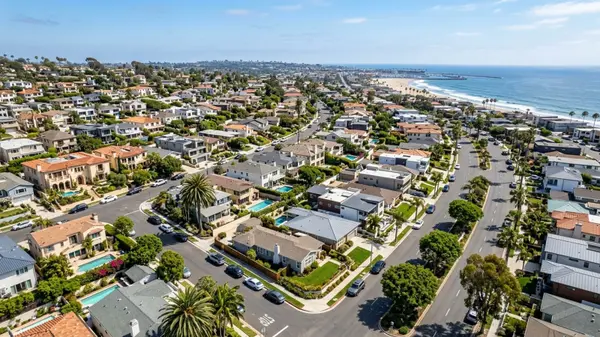

Navigating the Redondo Beach, CA Housing Market: 2026 Insights for Buyers and Sellers
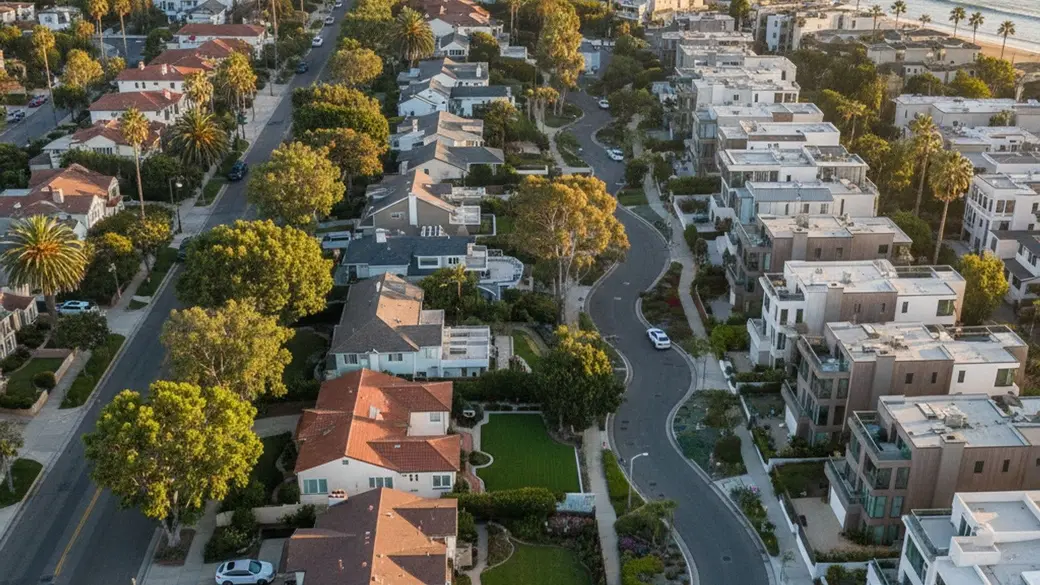
The coastal real estate landscape is always shifting, and the Redondo Beach, CA housing market in 2026 is no exception. With its sweeping ocean views and deep-rooted community infrastructure, this South Bay city remains a prime target for real estate investors and prospective homeowners alike.
Entering this market requires a clear understanding of current property values, neighborhood distinctions, and local inventory levels. Whether you are looking to list a beachfront condominium or purchase a single-family home inland, knowing the exact data driving today's transactions is essential for a successful deal.
2026 Redondo Beach Housing Market Overview
As of April 2026, the median sold price for a home in Redondo Beach hovers between $1,600,000 and $1,700,000. Buyers can expect the average price per square foot to sit near $890, reflecting the premium commanded by coastal California real estate. These figures represent a sustained baseline of value that has carried over from the steady growth seen throughout last year.
Inventory levels remain relatively tight, with roughly 200 active listings available across the city on any given day. This limited supply creates a highly competitive environment, yet buyers remain selective about property condition and exact location. Homes are spending an average of 30 to 45 days on the market before going pending, giving buyers a brief window to conduct inspections and secure financing.
The key takeaway for anyone entering the market today is that preparation is mandatory. Sellers who price their homes accurately based on current 2026 comparable sales are capturing buyer attention quickly. Conversely, buyers must enter negotiations with strong credit scores and solid pre-approval letters to stand out in this competitive landscape.
North vs. South Redondo Beach Real Estate
The city is geographically and architecturally divided into two distinct zip codes, each offering a different style of coastal living. North Redondo Beach, located within the 90278 zip code, is characterized by traditional single-family homes and larger residential lot sizes. The median price point in this northern section generally ranges from $1,400,000 to $1,600,000, making it a frequent starting point for new buyers entering the area.
In contrast, South Redondo Beach falls under the 90277 zip code and sits directly against the Pacific Ocean. This area features a high concentration of townhomes, condominiums, and premium oceanfront properties. Because of the immediate beach access and sweeping views, median prices here are noticeably higher, typically landing between $1,700,000 and $1,900,000.
These two submarkets attract different real estate strategies depending on a buyer's budget and lifestyle preferences. North Redondo provides more square footage and yard space for the price, appealing to those who prioritize property size. Meanwhile, South Redondo commands a premium for its walkability to the water and dense cluster of coastal amenities.
Location, Infrastructure, and Commuting from the South Bay
Beyond the property lines, objective location features and infrastructure play a massive role in sustaining Redondo Beach property values. The city is bisected by the Pacific Coast Highway, providing a direct, scenic route along the coastline. For broader regional travel, residents have straightforward access to Interstate 405, which serves as the primary artery connecting the South Bay to the rest of Southern California.
Proximity to major transit hubs is a significant draw for frequent travelers and corporate commuters. Los Angeles International Airport is located approximately 7 miles north of the city, making air travel highly accessible without the burden of living directly under the primary flight paths. Commute times to major employment centers like Downtown Los Angeles or the tech hubs of Silicon Beach typically range from 45 minutes to an hour, depending on daily traffic patterns.
Within the city limits, the metro area offers a high degree of walkability, especially in the southern neighborhoods near the water. Public transportation options, including local bus routes and dedicated cycling paths, provide functional alternatives to driving for daily errands. This blend of local accessibility and regional connectivity continues to anchor the strong housing demand in the area.
Local Amenities and Public Services
The strength of the local real estate market is heavily supported by the city's robust public services and recreational facilities. A major factor driving demand is the Redondo Beach Unified School District, which consistently influences local property values. Properties located within the boundaries of highly rated local schools often see lower turnover rates and stronger price retention.
The coastal geography also provides a wealth of outdoor amenities that define the local lifestyle. Residents have immediate access to expansive public spaces that cater to boating, recreation, and community events.
Key amenities that anchor the community include several prominent coastal and inland attractions. These civic features ensure that the area offers more than just residential housing:
-
King Harbor Marina: A major boating hub offering slips, water sports access, and waterfront dining options.
-
Redondo Beach Pier: A historic landmark providing extensive fishing areas, commercial retail, and oceanfront entertainment.
-
Dominguez Park: A large inland green space featuring a dog park, historical monuments, and open recreational fields.
-
Veterans Park: Located near the pier, this ocean-view park hosts a popular weekly farmers market and community gatherings.
The integration of well-maintained parks and active marinas creates a comprehensive community environment. This infrastructure helps justify the high coastal price tags for prospective buyers navigating the current market.
Should You Buy or Sell in Redondo Beach Right Now?
Navigating the 2026 market requires decisive action based on current data rather than historical expectations. For prospective buyers, limited inventory means that waiting for a significant price drop is an unlikely path to success. Buyers need to actively monitor listings, optimize their financing early, and be prepared to submit competitive offers the moment a property matching their criteria hits the market.
Sellers currently hold a structural advantage due to the constrained supply of around 200 homes, but this is not a guarantee of a quick, high-priced sale. Today's buyers are highly educated on market values and will bypass listings that are aggressively overpriced. To maximize equity, sellers must price their homes accurately and invest in necessary repairs or staging before launching their listing.
The local rental market also plays a crucial role in the decision to buy or sell. With the median rent in Redondo Beach hovering around $4,400 per month, many long-term renters are finding that transitioning into homeownership makes financial sense despite current interest rates. Building equity in a stable coastal market often outweighs the long-term costs of high monthly rent payments.
Frequently Asked Questions
Are home prices going down in California in 2026?
While some inland markets have seen minor corrections, premium coastal markets remain highly insulated. In 2026, California home prices in desirable coastal enclaves like Redondo Beach are holding steady due to persistent low inventory. Statewide averages fluctuate, but localized demand continues to support current property values.
Is Redondo Beach, CA a wealthy area?
Redondo Beach is characterized by high median household incomes and premium property values. With median home prices ranging from $1,600,000 to $1,900,000, the cost of living is significantly higher than the national average. The local economy is largely supported by the nearby tech, aerospace, and entertainment sectors.
How hot is the Redondo Beach housing market?
The market remains highly competitive, with homes averaging just 30 to 45 days on the market before going pending. With only about 200 active listings available, properly priced homes frequently receive multiple offers. This tight inventory ensures that the market heavily favors prepared sellers.
What is the hardest month to sell a house?
Historically, December and January are the most challenging months to close a real estate transaction in the South Bay. Buyers are typically focused on the holidays, and the volume of active listings tends to drop significantly. Sellers aiming for the highest visibility should target the robust spring market, which typically peaks in May.
Categories
Recent Posts