
Buying in 2026: The Best Neighborhoods in Redondo Beach, CA
Redondo Beach offers a distinct blend of coastal recreation and dense residential infrastructure that stands out within Los Angeles County. Buyers entering the local market often find themselves weighing proximity to the water against commute times to major employment hubs. Understanding the nuances of the city is essential for anyone buying a home in Redondo Beach.
The real estate landscape here is sharply defined by geography and zoning, creating highly specific micro-markets. Whether you are looking at original beach cottages near the sand or modern townhomes closer to the inland commercial centers, the property values and lifestyle offerings shift block by block. Navigating this terrain requires a clear look at current pricing, local amenities, and the fundamental layout of the city.
North Redondo vs. South Redondo Beach: The Divide
The city is fundamentally split into two distinct geographical sections, loosely divided along the 190th Street and Anita Street corridors. This dividing line dictates much of the pricing, architecture, and daily transit patterns for local residents. Choosing between the two halves of the city is typically the first major decision buyers face.
Inland areas provide a faster, more direct route to major thoroughfares, which drastically alters the morning commute. Conversely, the coastal side prioritizes immediate ocean access and pedestrian-friendly commercial zones. This structural divide means that a home purchase here is as much about selecting a daily logistical routine as it is about picking a property.
North Redondo Beach: Commuter Access and Diverse Housing
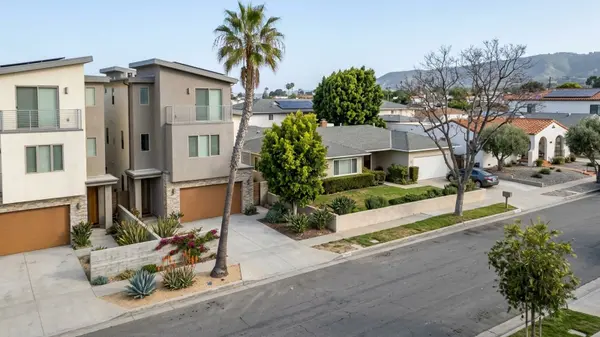
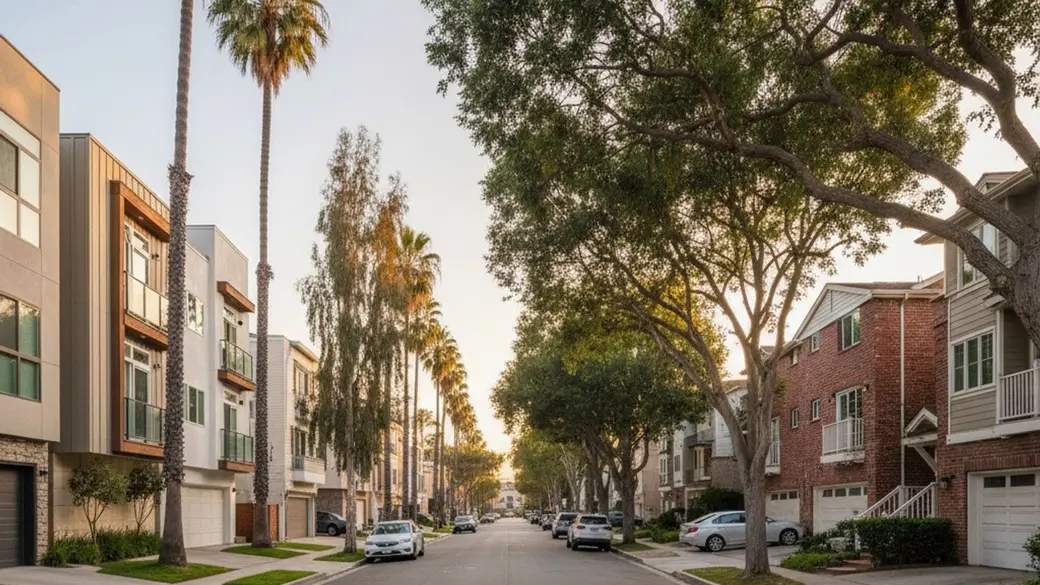
The northern inland section of the city provides strong connectivity to Silicon Beach, Downtown Los Angeles, and LAX via the Interstate 405 freeway. Housing here consists largely of single-family homes, multi-unit townhouses, and the prominent tall-and-skinny residential architecture designed to maximize square footage on narrow lots. Tracts like Golden Hills and El Nido offer distinct architectural styles and street layouts that appeal to buyers prioritizing interior space.
Property values in this sector present a slightly lower barrier to entry compared to the immediate coastline. As of early 2026, median home prices in this northern zone hover around $1,500,000 to $1,570,000. Buyers looking to maximize their purchasing power while maintaining a manageable commute often focus their search here.
South Redondo Beach: Ocean Views and Coastal Living
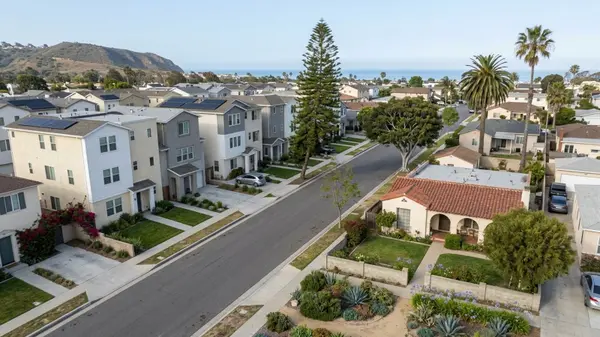
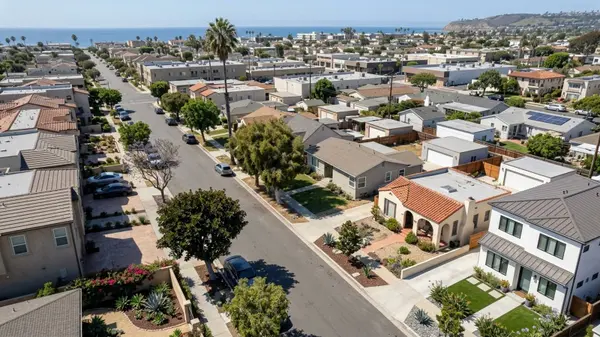
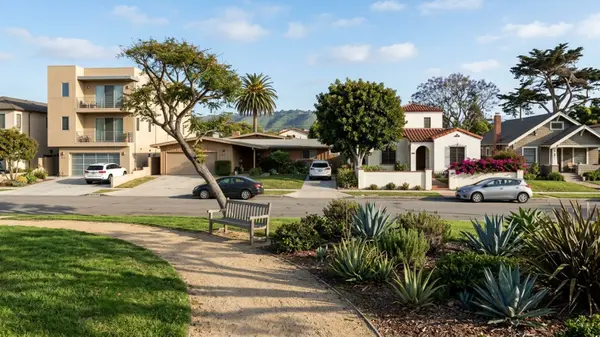
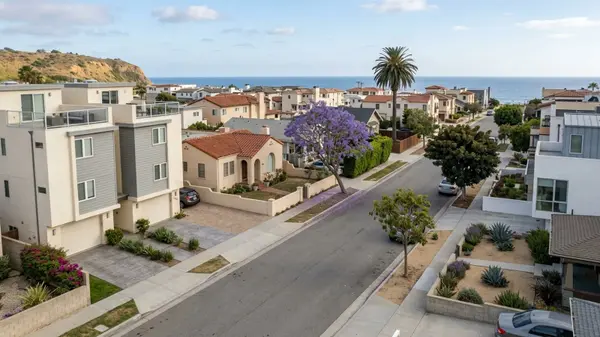
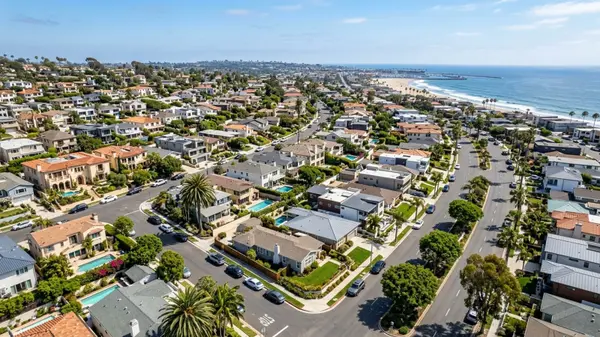
The southern coastal section commands premium real estate values driven by direct ocean access and high walkability to local commercial centers. The housing inventory features a mix of original beach cottages, modern townhomes, mid-century condos, and luxury single-family homes with expansive ocean views. Just to the south, the Hollywood Riviera neighborhood blends into Torrance but maintains a distinct coastal atmosphere tied closely to the Redondo lifestyle.
Because of the proximity to the Pacific Coast Highway and the water, median home values consistently exceed those found inland. Buyers can expect average prices ranging from $1,650,000 to $1,675,000 in early 2026. The premium paid in this area directly reflects the pedestrian access to the shoreline and waterfront dining.
Real Estate Data: Home Prices and Property Taxes in 2026
Evaluating the financial metrics of a property purchase requires looking beyond the sticker price. The overall citywide median home value sits roughly at $1,600,000 in 2026, reflecting sustained demand for coastal California real estate. Buyers must also factor in carrying costs, which can vary significantly depending on the exact property type and location.
The median effective property tax rate in the city is approximately 1.19%, which includes the Los Angeles County base levy alongside local assessments. However, tax rates are not strictly uniform across the entire municipality. Buyers will find that rates can vary from roughly 1.16% in the 90277 zip code to 1.21% in the 90278 zip code due to specific school district bonds and localized parcel taxes.
Homeowners association fees represent another substantial carrying cost for many local buyers. Those purchasing townhomes or condominiums, particularly in the dense coastal zones, must account for monthly HOA dues that cover exterior maintenance and shared amenities. Factoring these recurring costs into the initial budget is critical for accurately projecting long-term affordability.
Local Amenities, Infrastructure, and Parks
Riviera Village stands out as a major commercial center, offering high walkability alongside a dense concentration of independent coffeehouses, retail shops, and restaurants. This district acts as a central gathering point for the southern portion of the city and drives significant foot traffic.
Coastal recreation is anchored by the Redondo Beach Pier and King Harbor, which provide direct boat access, waterfront dining, and fishing spots. For active commuters and cyclists, the Marvin Braude Bike Trail connects the city seamlessly to neighboring Hermosa Beach and Manhattan Beach. This paved path is heavily utilized for both transportation and daily exercise along the shoreline.
Inland green spaces provide necessary outdoor infrastructure away from the immediate beach zones. Dominguez Park and Veterans Park offer expansive lawns, community facilities, and dedicated dog areas. These municipal parks ensure that residents across all neighborhoods have access to maintained recreational spaces without needing to navigate coastal traffic.
Redondo Beach Unified School District Boundaries
The Redondo Beach Unified School District services the entire city, managing a network of elementary, middle, and high school campuses. School attendance boundaries are strictly determined by residential address rather than geographic proximity alone. This means that living directly across the street from a specific campus does not guarantee enrollment at that location.
Buyers must carefully verify the specific tract boundaries on the official district map before finalizing a purchase. Moving even a few blocks away can shift a property into a completely different attendance zone for elementary or middle school assignments. Assuming a property falls within a certain zone based on neighborhood names can lead to significant logistical issues later.
The location of specific schools near featured neighborhoods is objectively documented on municipal zoning maps. Real estate agents can provide current boundary overlays to ensure buyers understand exactly which educational facilities are assigned to a given parcel. Relying on verified address lookup tools is the only way to confirm this data accurately.
Frequently Asked Questions
Is North or South Redondo Beach more expensive?
The southern coastal section is objectively more expensive due to its proximity to the ocean and waterfront amenities. In 2026, the southern median price is roughly $1,650,000 to $1,675,000, while the northern inland median sits between $1,500,000 and $1,570,000. Buyers pay a measurable premium for walkability to the sand.
Are multi-family properties a good investment in Redondo Beach?
Multi-family properties remain a strong investment vehicle in the city due to consistent rental demand near major employment hubs and the coast. Duplexes and townhome complexes, particularly near the 405 freeway or the pier, command high monthly rental rates. Investors must balance the high initial purchase price against the projected rental yield.
What is the property tax rate in Redondo Beach for 2026?
The median effective property tax rate across the city is approximately 1.19% for 2026. This rate fluctuates slightly depending on the exact location, ranging from 1.16% in the 90277 zip code to 1.21% in the 90278 zip code. These variances are largely driven by localized voter-approved bonds.
Categories
Recent Posts