
Pros and Cons of Living in Redondo Beach, CA in 2026
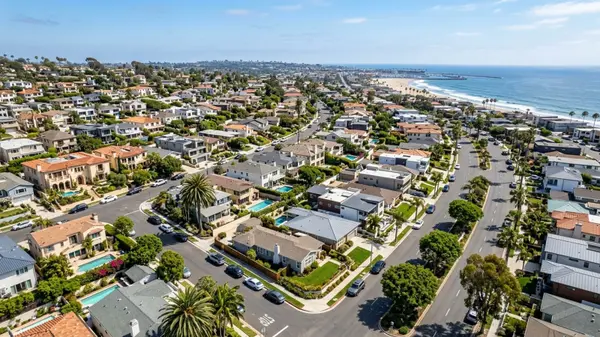
Redondo Beach sits about 20 miles from downtown Los Angeles - close enough to tap into a major metropolitan economy, far enough to feel like its own place. The city covers roughly 6.2 square miles of land along the Los Angeles County coastline and holds a population of 71,576 according to the 2020 Census. This unique location makes buying a home in Redondo Beach, CA desirable for many.
If you're deciding whether to make a move here, the honest answer lives in the numbers. Recent market data from late 2026 puts the median home sale price around $1.57 million. That figure tells you most of what you need to know about the commitment this city asks of you before you've even unpacked.
The Quick Verdict on Redondo Beach
The median household income in Redondo Beach is $150,245. Median gross rents run around $2,691. Homes are spending about 44 days on the market and routinely selling for nearly 100% of asking price. That's not a buyer's market by any stretch.
Pros of the Area
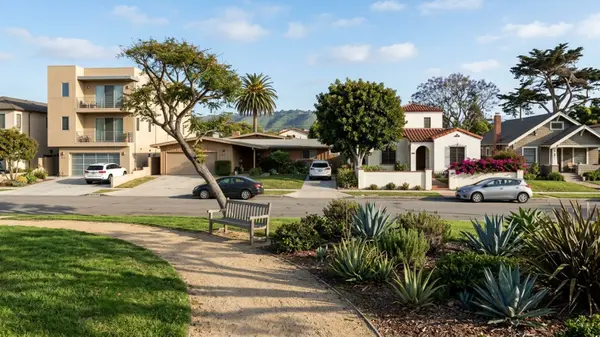
What you're buying into, beyond the property itself, is a genuinely walkable coastal city. The Harbor and Pier area, the Galleria at South Bay mall, and the Riviera Village shopping and dining district all give residents somewhere to go on foot. Restaurants, coffee shops, parks - a lot of daily life here doesn't require getting in the car.
The proximity to Los Angeles is real without being overwhelming. The average commute runs about 27 minutes, which, for this region, qualifies as manageable.
Cons to Consider
The price of entry is the obvious one. A median sale price near $1.57 million, combined with serious competition for available units, means housing will consume a significant portion of most budgets. Property crime rates track above the national average. And with roughly 148 homes currently on the market, you won't have the luxury of being picky for long when something good comes up.
Location, County, and Population Facts
Redondo Beach is a Los Angeles County city positioned along the coastline south of the main city of Los Angeles. The total land area is 6.21 square miles, which works out to a population density of about 11,535 people per square mile - a figure that immediately tells you this isn't suburban sprawl.
The population grew from 66,748 in 2010 to 71,576 in the 2020 Census, a steady climb that reflects consistent demand for housing in this particular coastal pocket. The median age sits around 41 years. About 22.6% of residents are under 18; 15.8% are 65 and over.
Population Growth and Density
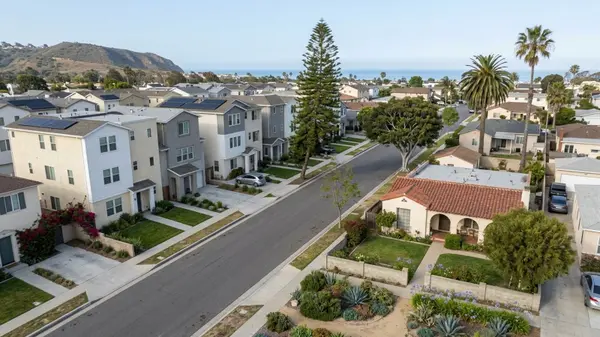
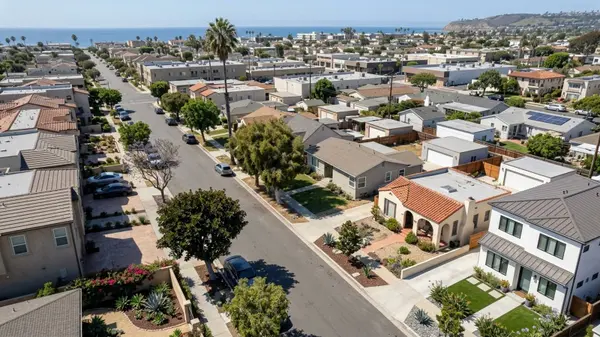
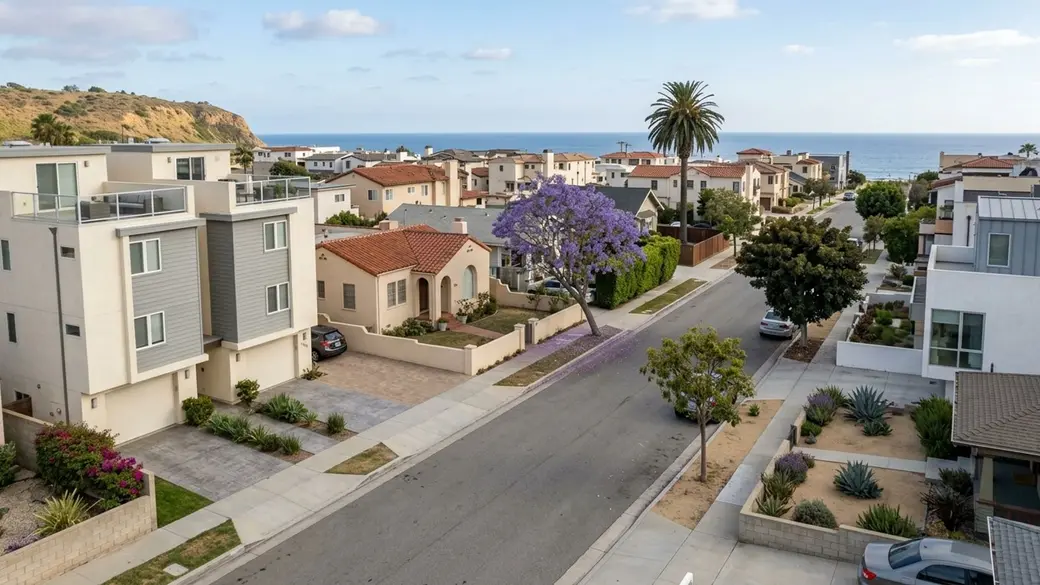
That density - over 11,000 people per square mile - is what creates the walkable, connected feel of the commercial districts. It also means single-family lots run smaller than what you'd find further inland, and homes sit closer together. If you're coming from somewhere with more elbow room, that's an adjustment worth making with open eyes.
This is a coastal-urban environment, not wide-open suburban acreage. Knowing that going in saves a lot of frustration later.
Crime Statistics and Data for Redondo Beach
NeighborhoodScout data based on 2024 FBI reports, released in October 2025, shows Redondo Beach with a crime rate of 28 per 1,000 residents - higher than roughly 87% of California communities. That translates to a 1-in-36 chance of being a victim of property or violent crime.
AreaVibes reports 1,888 total crimes for the city in 2024. Of those, 166 were violent crimes, running about 31% below the national average. The property crime number - 1,722 - sits roughly 47% above the national average. So the split matters: the violent crime picture looks better than average; the property crime picture doesn't.
How to Research Local Crime Data
Don't stop at the summary statistics. The Redondo Beach Police Department, the Los Angeles County Sheriff's Department, and FBI Uniform Crime Reporting data all publish detailed, localized numbers. Official law enforcement portals let you pull incident maps down to specific streets and blocks, which gives you a much clearer read than any aggregate score.
If a particular neighborhood or even a particular street is on your shortlist, that block-level data is worth your time.
Housing Prices and Cost of Living
Census ACS data from 2020 to 2024 puts the median value of owner-occupied housing units at $1,279,200. More recent local market data from late 2026 shows the median home sale price has climbed to approximately $1.57 million.
Sellers currently hold the advantage - inventory sits at a 2.4-month supply, and roughly 28% of homes sell above list price. If you're budgeting for a bidding war on anything with broad appeal, you're thinking about it correctly.
Rent and Income Figures
The median gross rent of $2,691 sets the floor for renters before utilities, parking, or anything else enters the picture. The median household income of $150,245 reflects what residents are typically earning to carry those costs. These aren't numbers that leave much margin - run your own budget carefully before committing.
Local Amenities and Lifestyle Factors
A lot of the appeal here is physical and immediate. The city is built around parks, public spaces, and commercial districts that residents can reach on foot, year-round. That's not a minor thing in Southern California, where so much daily life defaults to the car.
The Harbor and Pier area functions as the city's central gathering point. The Galleria at South Bay handles the heavier retail needs.
Dining and Shopping Districts
Riviera Village is the walkable shopping and dining core - retail storefronts and restaurants concentrated into a footprint you can cover without driving. Beyond that district, bars, restaurants, and coffee shops are distributed widely enough that most residential streets have something accessible nearby.
For a lot of residents, that distribution is what makes the lifestyle feel genuinely low-friction on an everyday basis.
Comparing Redondo Beach, CA to Los Angeles
The 20 miles between Redondo Beach and downtown Los Angeles creates a real separation, not just a geographic one. The average commute for Redondo Beach residents runs 27 minutes, with most driving alone. That's the daily cost of the coastal location.
Los Angeles offers a wider range of housing types and price tiers. Redondo Beach offers a concentrated coastal market where the median sale price sits around $1.57 million and inventory is tight. Those are different propositions for different buyers.
Weighing the Tradeoffs
With only about 148 homes currently on the market, Redondo Beach doesn't reward hesitation. When a property matches your criteria, the window to act is short.
Los Angeles puts more employment centers directly in your backyard, which shortens the commute for anyone working downtown. Redondo Beach residents trade that convenience for immediate access to the Harbor, Pier, and local beaches. Whether that trade makes sense depends entirely on your priorities - and your budget.
Specialty Housing and Life Stage Amenities
The local market includes housing types suited to a range of life stages. Buyers can find properties dedicated to senior living, assisted living, and sober living within the Redondo Beach area. Public services and community infrastructure support residents across different phases of life, and the Redondo Beach Unified School District manages public education for local students.
Healthcare and Daily Services
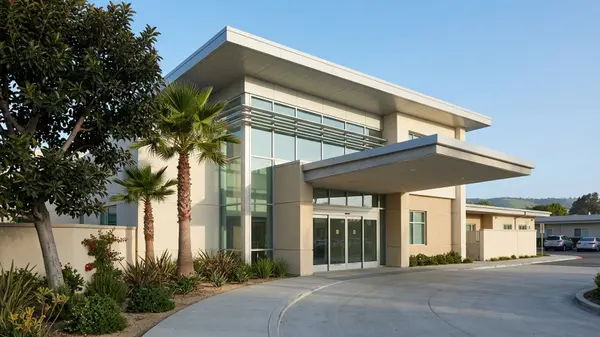
Healthcare access is woven into the city's commercial zones, and the broader Los Angeles County hospital network sits nearby for specialized care. Riviera Village and similar walkable districts keep dining, retail, and nightlife within reach for residents who want those options close to home - without requiring a drive to find them.
Frequently Asked Questions
Is Redondo Beach, CA a good place to live?
For buyers who prioritize coastal access and walkable amenities like Riviera Village, yes. That said, median home prices running around $1.57 million make this a serious financial commitment, and that number deserves honest scrutiny before you decide.
What are the cons of living in Redondo Beach?
High housing costs and limited inventory are the two that hit buyers hardest. Property crime rates also run roughly 47% above the national average, which is worth factoring into your thinking.
Is Redondo Beach expensive to live in?
Yes. The median home value per the Census is $1,279,200, recent market data from late 2026 shows median sale prices near $1.57 million, and median gross rent sits at $2,691.
What do the crime statistics show for Redondo Beach, CA?
AreaVibes reported 1,888 total crimes for 2024, broken down as 166 violent crimes and 1,722 property crimes. NeighborhoodScout places the overall crime rate at 28 per 1,000 residents - higher than 87% of California communities.
Is Redondo Beach or Los Angeles a better fit to live in?
Depends on your budget and how you feel about a commute. Redondo Beach gives you a walkable coastal city about 20 miles from downtown; Los Angeles offers a wider range of housing options and shorter distances to central employment hubs. Neither answer is wrong - it's a question of what you're optimizing for.
What are the options for senior and assisted living in Redondo Beach, CA?
The local market includes facilities dedicated to senior living and assisted living. Sober living properties are also integrated into the community.
Does the city accommodate older adults?
About 15.8% of the local population is 65 and over, and the city supports residents across different phases of life. Buyers searching for retirement communities in Redondo Beach will find properties dedicated to senior and assisted living. Healthcare access is also woven directly into the commercial zones for added convenience.
Is the area a good fit for working adults?
The walkable commercial districts and accessible nightlife make the city attractive to this demographic. While the average commute to Los Angeles runs about 27 minutes, many young professionals in Redondo Beach find the immediate access to local beaches and coffee shops worth the drive. Buyers simply need to ensure their budget aligns with the high median rent and home prices.
Categories
Recent Posts