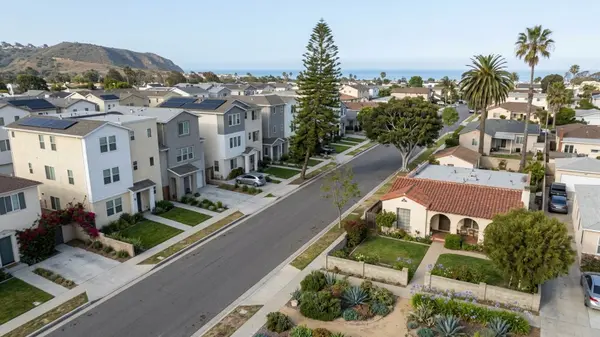

Commercial Properties in Redondo Beach
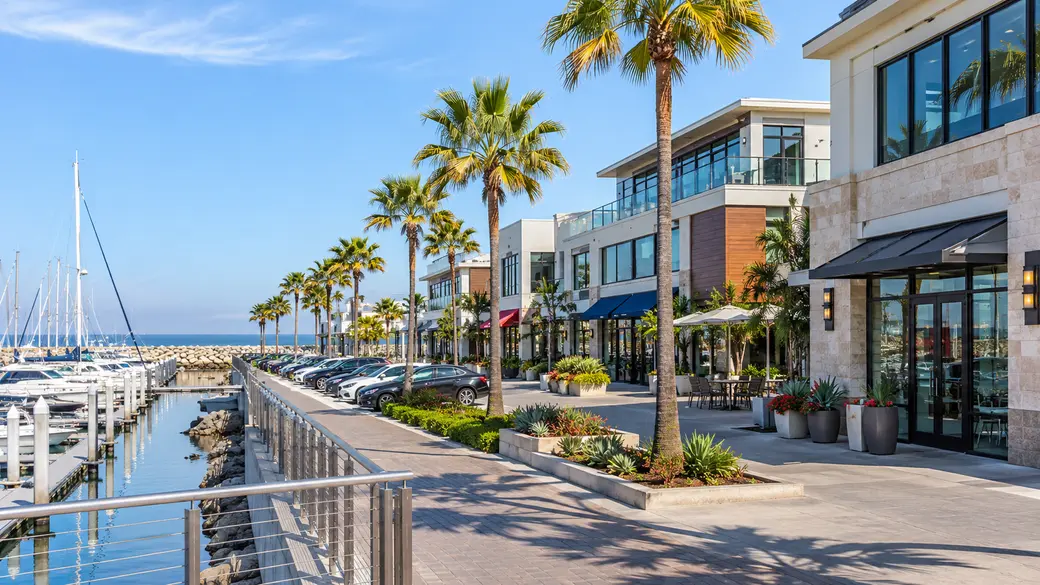
Commercial properties in Redondo Beach span office, retail, industrial, mixed-use, hospitality, and development opportunities. The right property depends on the intended use, zoning, access, physical layout, operating costs, and the character of its immediate business district. Redondo Beach combines waterfront-oriented activity, neighborhood retail districts, major road corridors, and employment-oriented areas, so investors and owner-users should assess each site against a specific operating or leasing strategy rather than relying on a citywide assumption.
Why Businesses and Investors Consider Commercial Properties in Redondo Beach
Commercial properties in Redondo Beach can appeal to businesses and investors because the city offers several distinct commercial environments within the South Bay. Commercial properties can vary significantly in type, size, location, and intended use, which means a waterfront restaurant, professional office, service retail space, and warehouse-oriented operation may need very different site characteristics.
1. Distinct Commercial Districts
Redondo Beach has commercial settings that range from waterfront activity to neighborhood-serving retail and corridor locations. The City identifies the Harbor and Pier area, Riviera Village, Artesia Boulevard, and the northern business areas as important commercial areas, each with different customer, access, and operating considerations.
2. Waterfront-Oriented Activity
The Harbor and Pier area supports dining, retail, recreation, marina-related activity, and visitor-serving businesses. Properties near the waterfront may suit destination-oriented operations, though buyers should review parking, coastal requirements, permitted uses, and site-specific operating restrictions.
3. Established Local Demand
The Redondo Beach postal-city area has a median household income of $132,562 and a median home value of $1,516,711, which provides broad context for businesses evaluating local purchasing capacity and service demand.
4. Corridor Visibility
Artesia Boulevard is a commercial corridor with shopping, dining, and service uses along the city's northern edge. Street visibility, access points, parking, delivery needs, and nearby complementary businesses can influence a property's operating appeal.
5. Regional Mobility
Beach Cities Transit Line 102 links the Redondo Beach Pier and other parts of the city with the Redondo Beach (Marine) station on the Metro K Line. That connection can be relevant when a business depends on employee access, customer convenience, or links to surrounding South Bay employment centers.
Commercial Properties Available in Redondo Beach
Commercial properties in Redondo Beach include several major asset categories, each with different ownership, occupancy, and operational requirements. Available inventory changes over time, so buyers should define their intended use before comparing properties.
Office properties may include traditional offices, professional buildings, medical-oriented spaces, and smaller office suites. Layout, parking, accessibility, client access, and utility capacity can shape their suitability. Healthcare professionals considering a practice location should pay extra attention to patient parking, accessibility features, and whether plumbing and electrical capacity can support exam rooms or equipment.
Retail properties may include storefronts, shopping-center spaces, and standalone retail buildings. Visibility, signage, pedestrian access, parking, delivery access, and neighboring uses often matter to operators.
Industrial properties can include warehouses, distribution facilities, and flex spaces. Buyers commonly focus on loading access, circulation, ceiling height, utility capacity, and permitted activity.
Mixed-use properties combine commercial space with other permitted uses. Investors should understand how uses interact, how expenses are allocated, and what zoning permits on the parcel.
Hospitality properties may include hotels, motels, and other lodging-related assets where applicable. These properties can require specialized operating and management planning.
Land for commercial development can offer development potential where permitted uses, utilities, site constraints, approvals, and project feasibility support the proposed plan. A closer look at Redondo Beach as a community adds useful local context for buyers evaluating the market.
Where Can You Find Commercial Properties in Redondo Beach?
Commercial properties are commonly concentrated around waterfront areas, neighborhood business districts, major corridors, and northern employment-oriented locations.
| Area or corridor | Commercial character | Property appeal considerations |
|---|---|---|
| Harbor and Pier area | Dining, retail, recreation, marina-related, and visitor-oriented activity | Parking, waterfront operations, coastal requirements, lease structure, and permitted uses |
| Riviera Village | Neighborhood-serving shops, restaurants, and services | Pedestrian access, parking, signage, customer convenience, and property configuration |
| Artesia Boulevard | Shopping, dining, and corridor commercial activity | Street visibility, roadway access, delivery needs, parking, and surrounding uses |
| Pacific Coast Highway and Torrance Boulevard corridors | Major roadway-oriented commercial locations | Access, permitted uses, circulation, visibility, and parcel-specific development standards |
| Northern business areas | Employment-oriented and industrial-adjacent activity | Loading, building functionality, operational compatibility, and access requirements |
Proximity to major roads, transit, parking, employment centers, and complementary businesses can affect a property's practical appeal. Waterfront sites may require greater attention to coastal and operational conditions, while corridor sites may require closer review of access, delivery patterns, and signage. Parcel-level zoning and development standards should be verified through the City's planning and zoning resources.
Key Factors When Buying Commercial Property
A commercial property is worth pursuing when its use, layout, location, and ownership costs align with the buyer's business or investment plan.
Start with property type and intended use. An office suite, storefront, warehouse, mixed-use building, and development parcel have different space requirements, income potential, and operating limitations. Confirm that the planned use is permitted and that required approvals fit the proposed operation.
Next, review location and accessibility. Customer parking, employee access, loading needs, transit connections, roadway access, signage visibility, and the surrounding mix of businesses can affect daily operations. A location that works for one tenant type may be unsuitable for another.
Assess condition and improvement needs. Roof condition, mechanical systems, utility capacity, accessibility features, layout, deferred maintenance, and possible renovations can influence both initial capital requirements and future expenses.
For occupied properties, examine lease terms, rent schedules, renewal provisions, expense responsibilities, tenant obligations, and vacancy exposure. Triple-net leases, where tenants cover taxes, insurance, and maintenance, can shift a large share of operating costs away from the owner, but the lease language, tenant strength, and remaining term determine how durable that income really is. Buyers should also account for property taxes, insurance, utilities, maintenance, reserves, and financing requirements. Commercial lending terms can vary based on the borrower, property type, income profile, intended use, and lender standards.
Pro-Tip: Visit a prospective commercial property during weekday business hours and again at a different operating period. Comparing access, parking, delivery activity, and surrounding business patterns can reveal practical issues that one visit may miss.
Buying vs. Leasing Commercial Property in Redondo Beach
Buying provides ownership control, while leasing can provide flexibility for businesses with changing space needs.
| Buying | Leasing |
|---|---|
| Potential control over the property | Potentially lower upfront costs |
| Opportunity to occupy or lease the space | Flexibility for businesses that may need to relocate |
| Greater upfront capital requirements | No property ownership |
| Responsibility for maintenance and ownership costs | Lease terms and renewal conditions need careful review |
How to Evaluate a Commercial Property Before Buying
A commercial property in Redondo Beach is a strong fit when its permitted use, physical features, location, and financial obligations support the buyer's objectives. Compare each candidate property against a written list of business needs or investment criteria.
Review zoning, parking, access, utilities, layout, building condition, lease obligations, operating expenses, and potential improvements. Investor buyers may prioritize tenant quality, lease structure, and income durability, while owner-users may place more weight on functionality and future flexibility. Watching how the Redondo Beach market is moving can also help frame timing and negotiating expectations.
What the Right Local Guidance Adds to a Commercial Purchase
Commercial deals reward advisors who understand both the numbers and the building. Here is what that looks like in practice for a Redondo Beach buyer:
- Lived investor experience. Clara Baum personally owns single-family, multifamily, and commercial triple-net properties, so conversations about lease structure, expense pass-throughs, and tenant risk come from ownership, not theory.
- An early read on condition. With a contractor spouse, Clara's clients can get an on-the-spot assessment of a building's condition, renovation potential, and likely hidden costs before committing to a price.
- Disciplined negotiation. An MBA and years of corporate strategy experience shape how Clara approaches offers, credits, and lease terms on behalf of buyers and sellers.
- Neighborhood-level context. As a lifelong South Bay resident raising her family in the community, Clara knows how each Redondo Beach district behaves day to day, from weekend waterfront traffic to weekday corridor patterns.
Talk Through Your Redondo Beach Commercial Search
Clara Baum of Real Estate with Clara, is a licensed real estate agent with Estate Properties based in Redondo Beach. Ranked in the top 10% of agents at Estate Properties and recognized as a Top Realtor in Redondo Beach (2025), she works with owner-users and investors who want a clear view of zoning, condition, leases, and long-term value before they buy. Call or text (310) 447-1537, email realestateclara@gmail.com, or send Clara a message to talk through your goals.
FAQ
These answers address common commercial-property questions for buyers considering Redondo Beach.
What types of commercial properties can I buy in Redondo Beach?
Buyers may encounter office, retail, industrial, mixed-use, hospitality, and commercially zoned land opportunities. Each asset type has different requirements for layout, access, permitted uses, operating costs, and financing.
How much does commercial property cost in Redondo Beach?
Commercial property pricing varies based on asset type, location, building size, condition, tenant profile, income potential, and site functionality. Buyers should evaluate total ownership costs and projected performance instead of relying on a broad citywide estimate.
Can I use any commercial property for my business?
No, a commercial property must allow the proposed business use under applicable zoning and regulations. Buyers should confirm parcel-level permitted uses, parking needs, operational requirements, and approval obligations before selecting a site.
Can I finance a commercial property purchase?
Commercial financing may be available, though terms depend on the property, borrower, lender, intended use, income profile, and required equity. Owner-user properties and investment properties can receive different lender evaluations.
Should I work with a commercial real estate professional?
Professional guidance can help buyers compare properties, organize due diligence, negotiate terms, and manage transaction logistics. That support can clarify how zoning, leases, operating costs, and location affect a property's suitability.
Categories
Recent Posts