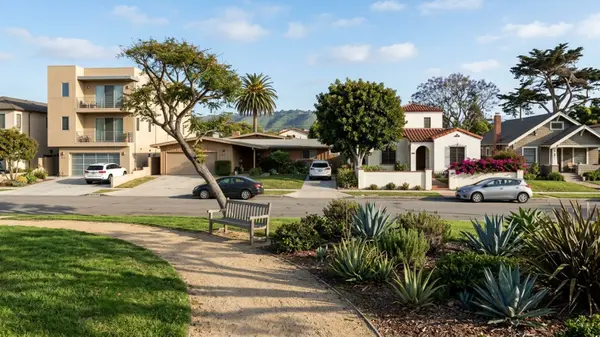

What to Know About Water Utilities in Redondo Beach, CA for 2026

If you are considering living in Redondo Beach, buying in the South Bay means thinking beyond the listing price. With the median sale price for a home in Redondo Beach, CA sitting around $1,574,958, you're already committing to a significant number - and the monthly costs that come with it deserve the same attention. Local infrastructure details shape your monthly utilities, making them essential for an accurate budget.
One question I hear consistently from buyers is about water: where it comes from, what it costs, and who's responsible when something goes wrong. The answers are straightforward in Redondo Beach, but they're worth knowing before you close.
Quick Answer on City Water vs. Well Water in Redondo Beach
For almost every buyer in this city, the answer is simple: you'll be on municipal water. That said, the differences between the two systems matter for long-term planning - and occasionally for comparison shopping if you're also looking at properties further out in the county.
At-a-Glance Comparison
City water is treated, delivered, and monitored by a utility company. Your monthly bill reflects a fixed meter charge plus whatever volume your household uses. Anything that breaks outside your property line is the utility's problem, not yours.
A private well is a different world entirely. No monthly water bill, but you own every piece of the system - the pump, the pressure tank, the electricity to run it, and the cost to test and treat whatever comes out of the ground.
Which is More Common Locally
Redondo Beach is a fully built-out urban coastal city on a municipal water grid. There's no official data indicating significant private well usage for individual households anywhere in the city.
Virtually all residences here rely on the municipal utility. The local provider draws from a mix of purchased surface water and a small amount of local groundwater from two active company-owned wells that supply the broader system.
City Water and Private Wells
Water system terminology can trip up buyers relocating from other regions. A municipal system operates at massive scale. A private well is a single-property setup. They're not interchangeable, and the responsibilities attached to each are very different.
How the Municipal System Works
California Water Service - Cal Water - serves Redondo Beach through its Hermosa-Redondo system, which has supplied Hermosa Beach, Redondo Beach, and parts of Torrance since 1927. Cal Water treats the water to meet state and federal standards before it moves through a network of underground pipes to individual homes.
You'll sometimes hear the phrase "city water well." That just refers to the large-scale company-owned wells feeding into the public grid - not a private well behind someone's garage.
Common Types of Private Wells
While rare in dense coastal cities, private wells come in a few varieties depending on the local geology. Drilled wells are the most common modern type, extending hundreds of feet into bedrock to reach deep aquifers. Older rural properties might have driven or dug wells - much shallower, and far more susceptible to surface contamination. If you encounter a well on a property in Los Angeles County today, it's almost always a drilled well.
Checking Your Property's Water Source
The fastest way to confirm a home's water source is to check the property disclosures or look for a water meter near the street. A monthly water bill from Cal Water settles it. If the property has a private well, you'll typically find a well cap somewhere in the yard and a pressure tank in the garage or basement.
What Water Costs in Redondo Beach
The cost side of this breaks down differently depending on the system. Municipal water is predictable. Well water costs are lumpy - low month to month, then occasionally very expensive when something fails.
Typical Municipal Water Bills
Under the January 1, 2026 tariff, a standard residential meter account using about 7,000 gallons (9.36 CCF) per month generates a typical bill in the $55 to $65 range. That total includes a fixed monthly service charge of $31.27 for a standard 5/8 by 3/4-inch meter, with usage charges stacked on top.
Cal Water uses tiered quantity rates. The more you use, the more you pay per unit.
Well Ownership and Maintenance Costs
Well owners don't pay a monthly utility bill for water delivery. What they do pay is the electricity to run the pump, routine maintenance, annual water testing, and eventually equipment replacement. A failed well pump or pressure tank can run thousands of dollars out of pocket - with no utility company to share any of that cost.
What Runs a Water Bill Up the Most
Outdoor irrigation is almost always the culprit when a city water bill spikes. Cal Water bills usage per CCF (1 CCF equals 748 gallons), and historically those rates have ranged from about $4.23 per CCF in the first tier up to $7.94 per CCF in the third tier. Filling a pool, running sprinklers daily, or ignoring a running toilet will push a household into those upper tiers faster than most people expect.
Paying for Well Water and Septic
Properties with private wells often rely on private septic systems for wastewater - though that's not the situation in Redondo Beach's urban environment. If a property has both a well and a septic tank, the owner pays nothing to the city for water or sewer service. A home on city water but private septic would pay a water bill but no sewer fee. You only pay the utility company for the services connected to the home.
Water Quality, Health, and Safety
Municipal water is strictly regulated. Private well water is the homeowner's responsibility after initial approval. Both can be safe - but the ongoing burden of proof falls on very different parties.
Is City Water Safe to Drink?
Municipal water in Redondo Beach is treated and tested continuously to meet strict state and federal drinking water standards. Cal Water publishes annual water quality reports with detailed test results for the Hermosa-Redondo system. The treatment process removes harmful bacteria and regulates mineral content before anything reaches your tap.
Is Well Water Safe and Healthy?
Well water can be perfectly safe to drink, but no government agency monitors it on an ongoing basis. The Los Angeles County Department of Public Health (DPH) requires initial testing for new, repaired, or reconstructed wells - checking against state bacteriological and chemical standards before the well goes into use. After that initial approval, monitoring is entirely the homeowner's job.
Water Testing and Treatment
The county advises well owners to test periodically for coliform bacteria, nitrates, and primary inorganic chemicals like arsenic, lead, and copper. Catching contamination early is the whole point. Many well owners also install whole-house filtration systems, reverse osmosis units, or water softeners to manage hard minerals and improve taste.
How Water Sources Affect Your Skin
City water often contains trace chlorine used for disinfection, which can dry out sensitive skin - some residents install shower filters to address that. Well water is naturally chlorine-free, but it's often harder than city water due to higher calcium and magnesium levels, which can leave soap scum on skin and make hair feel brittle. A water softener handles it, but that's another system to install and maintain.
Weighing the Pros and Cons of Well Water
Redondo Beach is fully connected to the municipal grid, so you're unlikely to encounter a private well on any residential listing here. But if you're also considering properties in more rural parts of the county, the trade-offs are worth understanding.
Disadvantages of Well Water
The core issue is responsibility. If the pump fails or the well runs dry, that's entirely your repair bill. Well pumps run on electricity, so a power outage means no water pressure unless you have a backup generator. Add in the ongoing cost of testing and filtration, and the "no monthly bill" benefit starts to look less clean.
Advantages of a Private Well
Independence from municipal rates and tier structures is the real draw. You can water landscaping or fill a pool without watching the meter. Many people also prefer the taste - well water lacks the chemical disinfectants used in public systems, and some find that noticeable.
Switching Between Well and City Water
Converting a property from a private well to the municipal grid involves permitting, construction, and utility fees. It's not a weekend project, and Los Angeles County regulates how old wells are handled specifically to protect groundwater.
How to Connect to City Water
The process starts with running a new water line from the street to the house and installing a meter. You'll need to coordinate with Cal Water to establish service and pay the necessary connection fees. On top of that, LA County requires a Well Decommission permit from the DPH Drinking Water Program to properly abandon the old well, and all fieldwork must be supervised by a licensed California professional geologist.
Costs to Switch
What you'll pay depends entirely on the scope of the project. Specific municipal water hookup fee amounts for Redondo Beach aren't published as a flat rate. Beyond the trenching, plumbing work, and hookup fees, you're also covering the well decommissioning process - submitting well construction logs, assessing the site, and filling the old well with an approved sealant.
Keeping Both Systems
Some jurisdictions allow a private well for outdoor irrigation while city water handles indoor plumbing, with backflow prevention devices keeping the two sources separate. In a dense coastal city like Redondo Beach, maintaining dual systems is rare and would require specific municipal approval.
Buying a Home with Well Water in Redondo Beach
You're unlikely to find a private well on a residential listing in Redondo Beach. But if you're casting a wider net into more rural parts of Los Angeles County, knowing how to handle a well during the purchase process matters.
What to Inspect and Test
Hire a specialized well inspector during your contingency period. They'll check the condition of the well casing, the age of the pump, and the flow rate - confirming the well produces enough water for daily living. Order a separate water quality test through an approved laboratory to verify the water is free of bacteria, nitrates, and heavy metals. Don't skip either step.
Questions to Ask About the Source
Ask the seller for maintenance records, well logs, and past water test results. Knowing the depth of the well and the age of the pump gives you a realistic picture of when major components might need replacing. Ask whether the well has ever run dry or whether the property needs a water holding tank during dry summer months. These aren't trick questions - they're standard due diligence.
Frequently Asked Questions
Is it better to have a private well or be on city water in Redondo Beach?
It depends on your preference, but Redondo Beach is entirely on the municipal grid. City water offers convenience and ongoing safety testing, while a private well would offer independence from utility rates.
Is it cheaper to use well water or pay for city water in Redondo Beach, CA?
Well water avoids a monthly utility bill, but you pay for the electricity to run the pump and all maintenance. City water in Redondo Beach costs roughly $55 to $65 per month for typical usage, which is very predictable compared to sudden well repair costs.
Is Redondo Beach city water safer and healthier to drink than private well water?
Both can be safe, but city water is continuously monitored by Cal Water to meet state and federal standards. Private well water is only required by LA County to be tested when the well is new or repaired, leaving ongoing monitoring up to the owner.
What are the downsides to look out for when buying a home with well water in Redondo Beach?
The main downsides are maintenance costs and reliance on electricity. If the power goes out, the well pump stops working, and you're financially responsible if the equipment fails.
How much does it cost to switch a property from well water to city water in Redondo Beach?
The exact hookup fees aren't published as a flat rate, but the process involves paying for a new water line and meter. You also have to pay a licensed California professional geologist to supervise the LA County well decommissioning process.
Can a Redondo Beach property be connected to both city water and a private well at the same time?
While some jurisdictions allow a well for irrigation and city water for indoor plumbing, maintaining dual systems in a dense coastal city like Redondo Beach is rare.
Do residents in retirement communities in Redondo Beach use municipal water?
Buyers looking at retirement communities in Redondo Beach will find that these properties are connected to the standard municipal water grid. Since the city is fully built-out, these residents rely on the local utility provider rather than private wells.
How predictable are water bills for young professionals buying in Redondo Beach?
Municipal water costs are predictable for young professionals in Redondo Beach, as standard residential meters generate a typical bill between $55 and $65 per month. This stable billing structure helps new buyers budget accurately without the risk of sudden well repair expenses.
Categories
Recent Posts