
Navigating the South Bay Market: Redondo Beach vs. Hermosa Beach, CA in 2026
Buyers looking at coastal Los Angeles real estate often find themselves weighing the distinct structural advantages of neighboring South Bay municipalities. Choosing between these two high-demand coastal zones requires an understanding of the municipal layout, median price points, and available property types.
The 2026 market continues to show strong interest in oceanfront proximity, but inventory and entry prices vary significantly from one zip code to the next. Navigating this landscape requires a clear look at how municipal boundaries and local infrastructure shape the daily experience of residents.
Evaluating the South Bay: Redondo Beach and Hermosa Beach
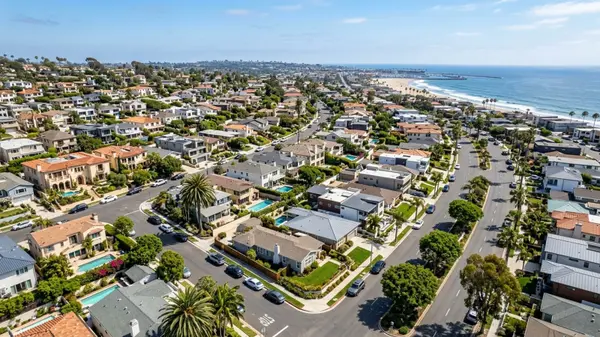
Situated along the southwestern edge of Los Angeles County, both cities offer direct access to the Pacific Ocean and the famous Marvin Braude Bike Trail. Redondo Beach covers a much larger geographic footprint, spanning zip codes 90277 and 90278.
In contrast, Hermosa Beach is a highly concentrated municipality confined entirely within the 90254 zip code. This difference in total land area directly influences the density of the housing stock and the layout of commercial districts.
The larger size of Redondo provides a wider variety of micro-neighborhoods, while Hermosa maintains a tightly packed, grid-like orientation. Buyers must decide whether they prioritize the broader municipal amenities of a larger city or the hyper-centralized footprint of a smaller beach town.
Housing Market Data and Property Types
The 2026 real estate landscape highlights a clear baseline price difference between these two coastal markets. Hermosa Beach carries a substantially higher median entry point, driven by its limited land mass and dense concentration of premium oceanfront lots.
Redondo Beach offers a higher volume of active listings simply because of its larger geographic size. This broader inventory provides more opportunities for buyers looking to enter the South Bay market without paying the steep premiums attached to Hermosa properties.
Pricing in both municipalities is heavily dictated by micro-neighborhoods and exact distance to the sand. The clear takeaway for buyers is that Redondo offers more flexibility in property types, while Hermosa demands a higher budget for its walkable, concentrated layout.
Redondo Beach Home Prices and Architecture
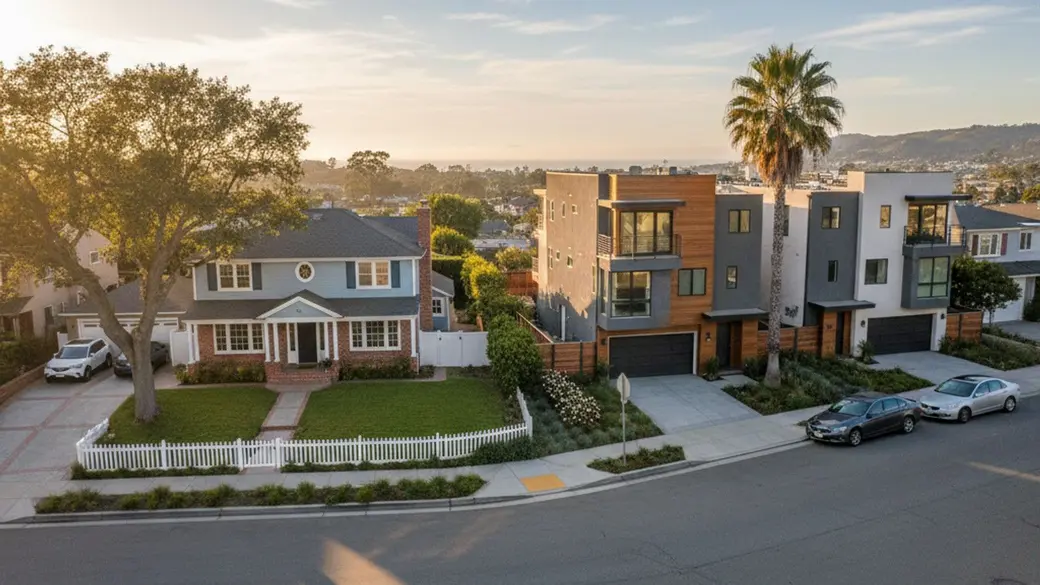
Redondo is geographically divided into north and south sections, each offering distinct architectural styles and lot sizes. North Redondo features larger residential lots and traditional single-family homes, while South Redondo is known for oceanfront properties and higher-density living.
Condos and townhomes are highly prevalent throughout the city, serving as lower-priced entry points for new buyers. The approximate 2026 median home price in Redondo Beach sits between $1,600,000 and $1,700,000, with values increasing significantly as elevation drops toward the water.
Hermosa Beach Home Prices and Architecture
Hermosa Beach is defined by its dense, grid-like street layout and a heavy concentration of high-end real estate. The architectural styles along The Strand range from modernized beach cottages to expansive custom luxury builds.
Smaller lot sizes and tight property lines are standard here, maximizing the number of homes with direct coastal access. This density and premium location pushes the approximate 2026 median home price in Hermosa Beach to between $2,300,000 and $2,400,000.
Transportation Infrastructure and Commuting
Neither city has direct heavy-rail access, making both locations highly car-dependent for regional travel across Los Angeles County. Residents rely heavily on primary arterial roads like the Pacific Coast Highway and Artesia Boulevard for local transit.
Connectivity to major freeways requires navigating local streets first, with the I-405 and I-105 serving as the primary routes out of the South Bay. Proximity to LAX is a major logistical advantage, as the airport is located just a few miles north along the coast.
The logistics of commuting from the beach cities require factoring in the time it takes just to reach the highway on-ramps. Buyers should test their specific daily driving routes during peak hours before committing to a property, as surface street delays add up quickly.
Driving Times to Downtown Los Angeles
The typical commute route to Downtown Los Angeles spans 19 to 21 miles, usually utilizing the I-110 or I-405 freeways. Under light traffic conditions, this drive establishes a baseline of about 35 minutes.
During peak rush hour, travel times expand dramatically, often requiring 60 to 85 minutes each way. Commuters frequently utilize express lane options on I-110 or regional commuter bus services to mitigate these extended drive times.
Local Amenities, Parks, and Recreation
The commercial footprint of each city reflects its overall geographic size and municipal planning. Redondo features dispersed commercial zones spread across multiple distinct neighborhoods, offering a variety of shopping centers and grocery options.
Hermosa utilizes a highly centralized, walkable downtown district that concentrates retail and dining in one primary area. Both cities share access points to the 22-mile Marvin Braude Bike Trail, which connects the entire coastline.
Public parking availability and local rules dictating beach access vary significantly between the two municipalities. Redondo generally provides more structured parking facilities, while Hermosa relies heavily on metered street parking and smaller municipal lots.
Redondo Beach Pier and King Harbor
Redondo Beach maintains extensive recreational infrastructure tailored to marine activities and waterfront dining. The city's coastal amenities are anchored by several major facilities that serve both residents and visitors.
-
King Harbor provides comprehensive boating and marine facilities, including slips, yacht clubs, and watercraft rentals.
-
The Redondo Beach Pier offers a large concentration of commercial dining, retail shops, and fishing access.
-
Seaside Lagoon operates as a saltwater facility, while Riviera Village serves as a walkable boutique shopping district in the southern end of the city.
Hermosa Beach Pier and The Strand
Hermosa Beach centers its recreational and commercial activity around Pier Avenue, creating a highly active pedestrian corridor. This centralized district features a dense concentration of dining, entertainment, and retail venues leading directly to the water.
The city is globally recognized for its beach volleyball and surfing infrastructure, hosting numerous professional tournaments. The Strand provides continuous pedestrian and bicycle access right along the sand, serving as the primary outdoor thoroughfare for residents.
Comparing Local School Districts
Understanding the educational boundaries is a critical step for buyers evaluating real estate in the South Bay. Each municipality operates under a different structural framework for its local public schools.
Residents of Redondo Beach are served by the Redondo Beach Unified School District, which provides comprehensive coverage from elementary through high school. This unified boundary simplifies the educational pathway for students living within the 90277 and 90278 zip codes.
The Hermosa Beach City School District serves the 90254 zip code, but focuses exclusively on elementary and middle school grades. Through established inter-district arrangements, Hermosa Beach High School students are funneled into either Redondo Union High School or Mira Costa High School in neighboring Manhattan Beach.
Frequently Asked Questions
Which city is more expensive overall, Redondo Beach or Hermosa Beach?
Hermosa Beach is significantly more expensive, with an approximate 2026 median home price hovering around $2,300,000 to $2,400,000. Redondo Beach offers a lower baseline entry point, featuring a median price of roughly $1,600,000 to $1,700,000. The premium in Hermosa is driven by its highly concentrated oceanfront footprint and dense, walkable layout.
Which South Bay beach city has the most condos and townhomes?
Redondo Beach holds a much larger inventory of condos and townhomes compared to its northern neighbor. The city's larger geographic footprint and specific zoning allow for higher-density residential developments, particularly in South Redondo. This makes Redondo a more accessible market for buyers seeking attached property types.
What should I know about parking and getting around in Redondo and Hermosa Beach?
Both cities are heavily car-dependent for regional travel, as neither connects directly to heavy-rail transit lines. Redondo Beach generally offers more structured parking garages and commercial lots, particularly near the pier and Riviera Village. Hermosa Beach features a highly walkable downtown but relies on limited metered street parking, making a dedicated residential garage highly valuable.
Categories
Recent Posts