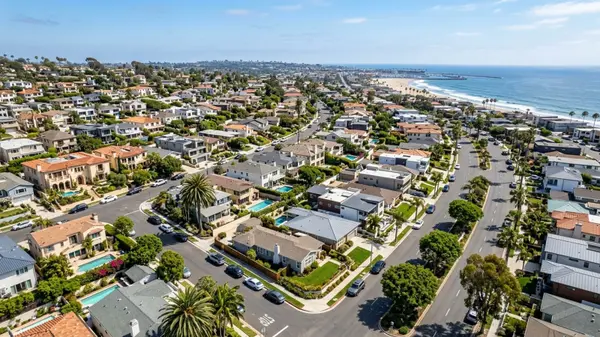

Evaluating Coastal Real Estate: Redondo Beach vs El Segundo CA in 2026
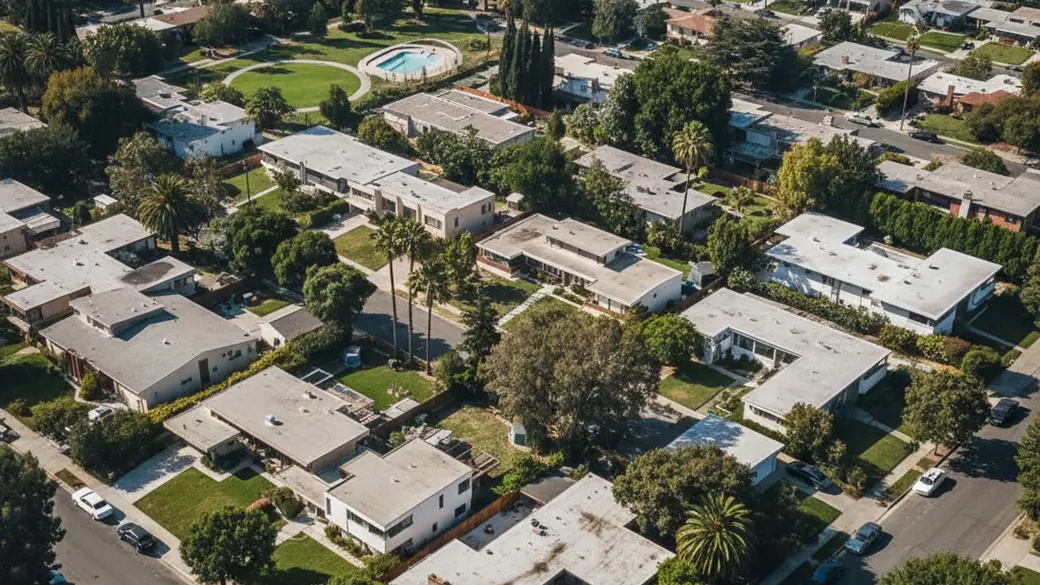
Prospective home buyers evaluating coastal cities in the South Bay area of Los Angeles County often find themselves weighing two distinct options. Choosing between these coastal municipalities requires a close look at property values, commute times, and local infrastructure.
Both locations offer exceptional proximity to the Pacific Ocean and major employment hubs, but their real estate markets operate quite differently. Navigating this decision comes down to matching your specific property goals with the distinct architectural styles and neighborhood layouts each city provides.
Redondo Beach vs. El Segundo: South Bay Real Estate Comparison
Positioned along the southwest corner of Los Angeles County, both of these highly sought-after coastal communities offer distinct advantages for buyers. They anchor the Beach Cities region alongside Manhattan Beach and Hermosa Beach, providing robust local economies and premium real estate options.
Evaluating the current 2026 housing data reveals clear differences in how these two markets function. Buyers need objective data to determine which market aligns best with their property investment strategy. Ultimately, El Segundo offers a centralized community footprint, while Redondo Beach provides diverse neighborhoods across a much larger geographic area.
Median Home Prices and Property Types
The overall South Bay region of Los Angeles commands a premium, and baseline metrics for 2026 reflect sustained demand for coastal proximity. Inventory levels heavily impact pricing dynamics in both municipalities, often leading to competitive bidding environments for turnkey properties.
Buyers will find that both cities require a substantial budget, but they offer entirely different architectural footprints. Understanding these structural differences is crucial for setting realistic expectations regarding lot sizes and property conditions. You get more varied housing stock in Redondo, but El Segundo's constrained inventory often drives a higher premium for midcentury single-family properties.
Redondo Beach Real Estate Data
The 2026 median home price in Redondo Beach sits between approximately $1,550,000 and $1,700,000. The average price per square foot hovers around $889 to $890, though this varies significantly depending on the zip code. Understanding the local market requires looking at the two distinct sections of the city.
-
North Redondo (90278): This inland area features larger lot sizes, traditional single-family homes, and a high concentration of two-on-a-lot townhouses.
-
South Redondo (90277): This coastal sector commands higher prices due to premium oceanfront condos, historic homes, and immediate beach access.
The price variations between these two zip codes are driven entirely by proximity to the water and the types of available zoning. South Redondo Beach properties trade at a premium for walkability to the sand, while North Redondo offers slightly more square footage for the price.
El Segundo Real Estate Data
The 2026 El Segundo median home price ranges from approximately $1,400,000 to $1,600,000. The average price per square foot is roughly $867, reflecting the high demand for the city's classic midcentury modern homes.
The housing market here is defined by smaller lot sizes and a highly condensed neighborhood structure. Low inventory consistently impacts days-on-market metrics, meaning buyers must act decisively when a well-maintained property lists.
Transportation Infrastructure and Commute Times
Highway access and average drive times to major employment hubs play a massive role in South Bay real estate decisions. The regional transit layout dictates that commute times can vary wildly depending on exactly where your property is located.
El Segundo provides immediate proximity to Los Angeles International Airport, Interstate 105, and Interstate 405. This makes it a highly accessible node for aerospace employees, tech workers, and frequent flyers who need to minimize their daily driving.
Redondo Beach relies heavily on the Pacific Coast Highway and arterial surface streets to reach the I-405 and Interstate 110. A typical rush-hour commute from El Segundo to Downtown Los Angeles takes about 25 to 35 minutes, but up to 75 minutes during peak hours. For buyers who commute daily to Silicon Beach or DTLA, El Segundo offers a quantifiable advantage in recovered time.
Comparing the Local School Districts
Public education metrics are a primary driver of property values in both municipalities. Examining the objective size, structure, and facility ratings of the school districts provides valuable context for long-term real estate investments.
The Redondo Beach Unified School District operates on a much larger scale than its northern neighbor. It encompasses 14 distinct schools serving approximately 9,400 to 9,500 students across a wide variety of campuses. The district features extensive extracurricular infrastructure, anchored by Redondo Union High School, alongside specialized STEM integration programs.
In contrast, the El Segundo Unified School District maintains a highly compact community footprint. The district consists of just five schools serving roughly 3,500 to 3,600 students in total. Buyers prioritizing sprawling athletic facilities will favor Redondo Beach, whereas those seeking a smaller, centralized district will lean toward El Segundo.
Parks, Beaches, and Local Amenities
The recreational infrastructure and commercial districts available to residents heavily influence the daily coastal lifestyle. Both cities maintain robust municipal parks, but their approaches to waterfront access and retail differ significantly.
Redondo Beach boasts an extensive coastal footprint that includes the bustling Redondo Beach Pier and King Harbor. Residents enjoy direct access to the Marvin Braude Bike Trail and the upscale dining options concentrated in the Riviera Village commercial sector. The density of restaurants and ocean-view cafes provides a highly active beachfront environment.
El Segundo centers its commercial activity along the walkable streets of its Main Street corridor, offering a distinct small-town feel. The city features well-maintained local spaces like Recreation Park, though its specific beach access points are separated from the residential zones by commercial and industrial coastal facilities.
Both locations benefit from excellent proximity to major sports and entertainment venues in neighboring Inglewood. Residents have a relatively short drive to attend events at SoFi Stadium, the Kia Forum, and the newly established Intuit Dome. Redondo Beach delivers an uninterrupted beachfront experience, while El Segundo offers a more insulated, traditional downtown commercial district.
Frequently Asked Questions
Is Redondo Beach or El Segundo more expensive?
Current 2026 market data shows that Redondo Beach generally carries a slightly higher median home price, largely driven by ultra-luxury oceanfront properties in the southern zip code. However, El Segundo remains highly competitive, with a median price closely trailing Redondo due to strict inventory constraints. Buyers can expect to spend upwards of $1,500,000 for a standard single-family home in either market.
Why is Redondo Beach divided into North and South for real estate?
The city is split into the 90278 and 90277 zip codes due to distinct zoning laws and geographical features. South Redondo sits directly on the coastline and commands premium pricing for ocean views. North Redondo is positioned further inland, offering larger lots and more townhouse developments at a slightly lower price per square foot.
Which city has a faster commute to LAX?
El Segundo shares a direct border with Los Angeles International Airport, making it the clear winner for frequent travelers. Residents can typically reach the terminals in under 10 minutes via surface streets. Redondo Beach residents face a longer drive north along the Pacific Coast Highway or Sepulveda Boulevard to reach the airport.
Categories
Recent Posts