

Navigating Commute Times From Redondo Beach CA: A 2026 Buyer's Guide
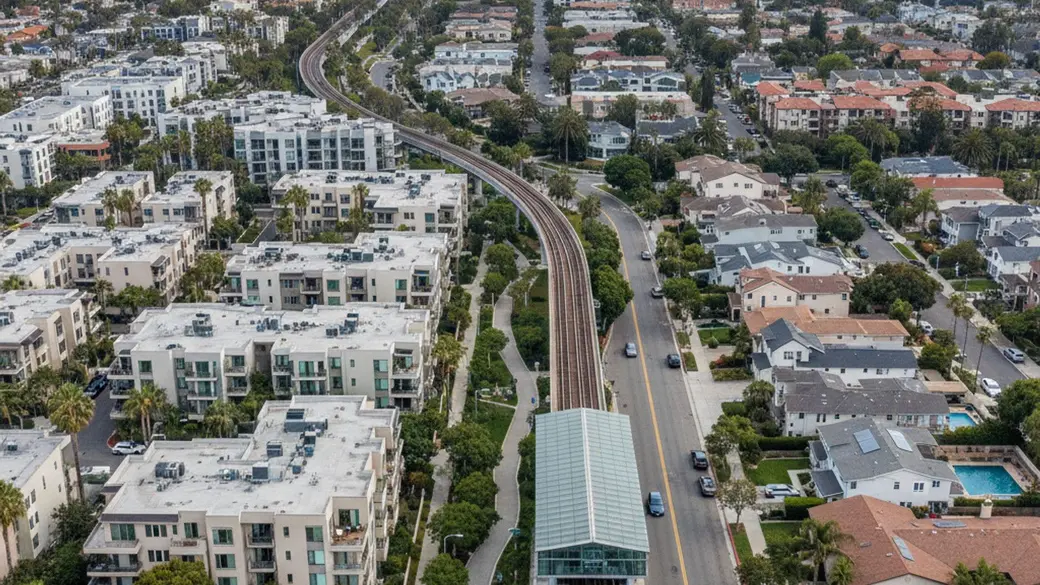
Evaluating the daily travel logistics of moving to the South Bay is a critical step for prospective homebuyers. Redondo Beach offers incredible coastal amenities, but navigating the regional traffic grid requires a clear understanding of local routes.
Understanding the reality of commute times from Redondo Beach CA helps buyers choose the right neighborhood for their daily routine. Whether you are driving to Downtown Los Angeles or utilizing the expanding Metro network, positioning your home search around your workplace makes a significant difference in your quality of life.
Driving Times to Major Employment Hubs
Commuting from the South Bay region presents a unique set of variables that fluctuate dramatically between peak and off-peak hours. The average commute time for Redondo Beach residents sits at roughly 27 minutes. However, this figure shifts drastically based on your exact destination.
Navigating local streets to reach nearby business centers is usually a smooth experience with minimal friction. Commuting locally within the South Bay is highly efficient, whereas daily trips to Downtown Los Angeles or the Westside require strategic route planning.
Understanding these distinct travel patterns helps buyers set realistic expectations for their daily routine. Timing your departure correctly can easily shave thirty minutes off a round-trip journey.
Commuting to Downtown Los Angeles (DTLA)
The journey to Downtown Los Angeles covers approximately 21 miles and relies heavily on the I-110 North. During off-peak hours, drivers can typically complete this trip in a manageable 26 to 35 minutes.
Rush hour drastically changes the equation for downtown commuters. During peak morning and evening travel windows, the drive can stretch up to 85 minutes. This makes express lanes or alternative transit highly appealing.
Commuting to Santa Monica and El Segundo
Traveling to the aerospace and tech hubs in El Segundo is a highly manageable commute. The 10-mile drive typically takes 20 to 26 minutes utilizing surface streets or the I-105 freeway.
The drive to Santa Monica presents a much tougher challenge due to heavy reliance on the congested I-405. While the Pacific Coast Highway offers a scenic alternative, its frequent stop-and-go nature means travel times to the Westside remain lengthy during peak hours.
Primary Transportation Routes and Traffic Patterns
Interstate 405, known locally as the San Diego Freeway, serves as the region's main north-south artery. This highway carries the bulk of commuter traffic heading toward the Westside and the San Fernando Valley.
For coastal commutes, the Pacific Coast Highway provides a direct link through the beach cities. While it avoids freeway speeds, the dense network of traffic lights often results in a slower, stop-and-go experience.
East-west corridors like Artesia Boulevard and 190th Street are critical thoroughfares connecting the beach communities directly to the inland freeways. Learning the local surface streets is essential to bypass I-405 gridlock during peak morning hours.
Public Transit Options in Redondo Beach
Redondo Beach features a comprehensive public transportation network that successfully reduces reliance on personal vehicles. The city connects to broader regional systems, offering viable alternatives for daily travel.
The Redondo Beach Transit Center serves as the primary hub for these services, featuring dedicated parking for commuters. For downtown workers, using the Park and Ride at the Transit Center is a major stress-reliever compared to driving the 110 freeway.
Metro Rail and the South Bay Extension
The Metro K Line is easily accessible at the Redondo Beach Transit Center, providing a vital rail link to the rest of Los Angeles County. This line connects riders to major transfer points across the metropolitan area.
Exciting progress is visible in 2026 on the South Bay Metro Extension, which aims to add 4.5 miles of track toward Torrance. This ongoing expansion continues to improve regional rail connectivity for South Bay residents.
Beach Cities Transit and Commuter Express
Local bus services like Beach Cities Transit offer reliable connections between the neighboring coastal communities. Line 109 and Line 102 are particularly useful for navigating the immediate South Bay region without a car.
For longer distances, the LADOT Commuter Express 438 provides direct peak-hour service from the South Bay directly to Downtown LA. This express bus is a favorite among riders looking to work or relax during their morning transit.
Getting to Los Angeles International Airport (LAX)
Reaching Los Angeles International Airport from Redondo Beach is a straightforward 8 to 10-mile journey. Average driving times typically range from 15 to 30 minutes depending on the time of day and terminal congestion.
Public transit offers an excellent alternative to navigating the notoriously busy airport loop. Beach Cities Transit Line 109 connects directly to the new LAX/Metro Transit Center, streamlining the departure process.
Utilizing local ride-shares or the Line 109 bus is often more efficient than navigating the LAX central terminal parking garages. Dropping off at the transit center allows travelers to bypass the heaviest airport traffic entirely.
Walkability and Local Bike Trails
Active transportation is a major draw for buyers evaluating the local lifestyle. Commercial districts like Riviera Village and the Redondo Beach Pier offer excellent walkability, minimizing the need for short car trips.
The Marvin Braude Bike Trail, commonly known as The Strand, provides a highly functional and scenic route for bicycle commuting. This paved path connects Redondo Beach to neighboring coastal cities all the way up to the Pacific Palisades.
The high walkability of South Redondo Beach significantly enhances the quality of life for its residents. This localized convenience easily offsets the burden of longer regional commutes to other parts of Los Angeles.
Real Estate Near Major Transit Corridors
Commute times and transit proximity heavily influence the local housing market dynamics. Recent census data indicates the median property value in the area exceeds $1,280,000, reflecting the high demand for coastal living.
Buyers will find a mix of condominiums, townhomes, and single-family houses situated near key hubs like the Redondo Beach Transit Center. Properties within walking distance of these transit points often command a premium due to the added convenience.
Buyers prioritizing a shorter commute to Los Angeles should focus their search on North Redondo Beach in the 90278 zip code. This inland neighborhood offers much quicker access to the I-405 freeway and the Metro rail stations.
Frequently Asked Questions
What is the average commute time to work from Redondo Beach?
The average travel time for residents heading to work is approximately 27 minutes. This duration varies widely depending on whether you work locally in the South Bay or commute into central Los Angeles.
Is there a direct train from Redondo Beach to Downtown LA?
There is no single direct train to Downtown LA, as riders must transfer lines. Commuters typically board the Metro K Line at the Redondo Beach Transit Center and transfer to reach the downtown core.
How long does it take to drive from Redondo Beach to LAX?
The drive to LAX generally takes between 15 and 30 minutes to cover the 8 to 10-mile distance. Utilizing Sepulveda Boulevard or the I-405 allows travelers to reach the airport efficiently during off-peak hours.
Categories
Recent Posts