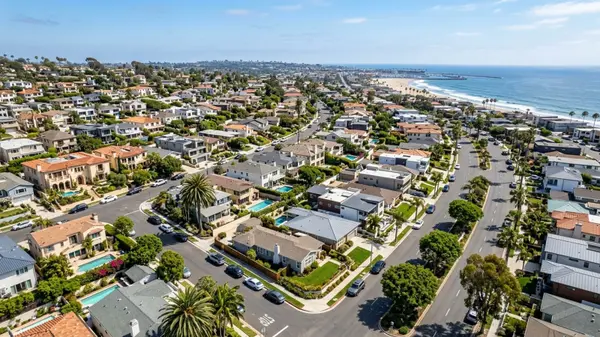

History of Redondo Beach, CA: Origins, Etymology, and Local Milestones
The appeal of living in Redondo Beach pulls buyers in fast - and the market reflects it. As of mid-2026, homes here sell in around 39 days, with a median sale price of approximately $1,533,500. You're typically competing against limited inventory of around 148 available homes, and many of those close slightly above asking.
But the numbers only tell part of the story. This city has traveled a long road - from indigenous coastal territory to Spanish ranchos, from a working shipping port to the residential community people fight over today. Understanding that arc gives you a real feel for why the streets are laid out the way they are, why certain neighborhoods look the way they do, and what the community is actually built on.
Location and County Jurisdiction
Redondo Beach sits within Los Angeles County as a fully incorporated city with its own municipal government - not a neighborhood, not an unincorporated town. That distinction matters if you're moving from out of state, because county jurisdiction is what drives property tax collection and regional services.
Geographically, you're in the South Bay region of the Greater Los Angeles metropolitan area, with the Pacific Ocean on one side and neighboring municipalities pressing in on the others. That coastal position is what made the city a maritime trade hub historically, and it's still the engine behind the housing market today.
Metropolitan Connections
Being in the South Bay means you get direct access to the Los Angeles economic core without giving up the feel of a beachside city. The commute patterns and regional transit connections that took shape over a century ago still show up in where buyers decide to plant themselves.
The infrastructure here supports easy movement to neighboring commercial centers. A lot of people searching in Redondo Beach are specifically trying to thread that needle - close enough to Los Angeles employment, far enough to feel like somewhere else.
Tracing the Meaning of the City's Name
The name comes from the Spanish word "redondo," meaning "round." That refers to the adjacent Rancho Sausal Redondo - "Round Willow Grove Ranch" - a 22,458-acre land grant awarded to Antonio Ygnacio Ávila around 1840.
There's a second theory worth knowing: the "round" description may also reflect the half-round street pattern of the original town site. Early developers laid out the streets in a semi-circular arrangement radiating from the waterfront. You can still see traces of that layout in some of the older neighborhoods.
Indigenous Roots and Early Land Grants
Long before any of that, the Tongva and Chowigna Native Americans lived along these coastal bluffs and inland areas, working the ocean and the local wetlands.
The land eventually fell within Rancho San Pedro, a massive 1784 Spanish land grant awarded to the Juan Jose Dominguez family. That transition - from indigenous territory to Spanish rancho - set the stage for the eventual subdivision and private sale of the land that would become this city.
Founding Timeline and Incorporation
Redondo Beach was founded as a town in 1887. Two years later, in 1889, the Redondo Beach Improvement Company purchased the coastal tract. Founders Robert Thompson and John Ainsworth drove that effort, with a clear vision: an active port and resort destination.
Growth came quickly. Voters approved cityhood on April 18, 1892, and the city was formally incorporated on April 29, 1892. That established the local government structure and gave the city the ability to issue bonds for infrastructure improvements.
Early Expansion and the Port Era
For a time, Redondo Beach functioned as an early Port of Los Angeles. Rail lines and steamship companies moved cargo and passengers through the local wharves. That industrial activity drew workers, businesses, and the first wave of serious residential development.
When port operations shifted north to San Pedro, the city pivoted. Recreation and residential use took over where shipping had been, and the Redondo Beach Pier made that transition visible - moving from a commercial shipping wharf into the central gathering spot it remains today.
Historic Districts and Local Museums
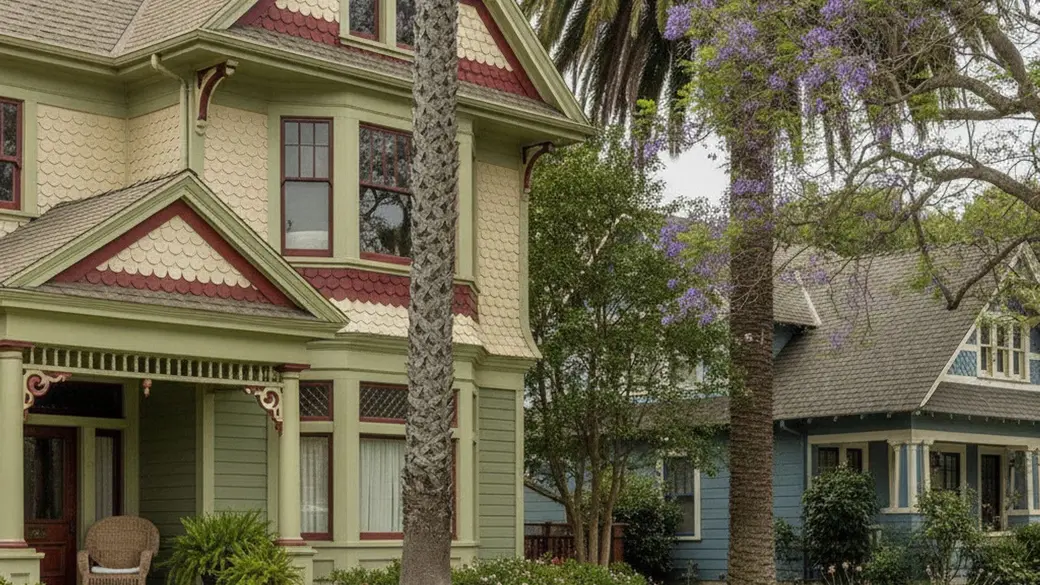
The Redondo Beach Original Townsite Historic District covers 3.36 acres near the former downtown and has been listed on the National Register of Historic Places since 1988. If you're drawn to period architecture, this is the area worth looking at closely for preserved early 20th-century home styles.
The Redondo Beach Historical Museum is the place to start if you want to understand the city's evolution in any depth. It's housed in a 1904 Queen Anne style home at 302 Flagler Lane in Heritage Court at Dominguez Park, and it holds artifacts, photographs, and documents that track how this place changed over time.
Preservation Efforts and Local Landmarks
The Redondo Beach Historical Society, founded in 1987, handles the ongoing work of protecting the city's cultural resources. They also operate the Morrell House Museum, which gives residents another way into the architectural history of the South Bay.
The Redondo Beach Pier is the most visible through-line to the city's origins. It's been rebuilt and modified over the decades, but it's still standing on the same stretch of coastline where the maritime trade first put this place on the map.
Signature Claims to Fame and Local Culture
Redondo Beach holds a specific distinction: it's recognized as the birthplace of modern surfing in the mainland United States. George Freeth gave his pioneering surfing demonstrations here, introducing the sport to Southern California. That history isn't just a footnote - surf culture is genuinely woven into the way this city thinks about itself.
The city also has a well-established connection to lobster, celebrated every year at the Redondo Beach Lobster Festival at Seaside Lagoon. The event draws attendees from across the region for Maine lobster dinners and lobster-based dishes of various kinds.
Notable Residents and Influential Figures
The list of people connected to Redondo Beach covers a lot of ground. Nobel Prize-winning physicist Edwin McMillan and Olympic ice dancer Madison Chock both have roots here. So do actors Demi Moore and Michael Dudikoff.
That range - scientific, athletic, cultural - says something about the kind of city this is. It's not a one-note place.
Frequently Asked Questions About Redondo Beach Real Estate
Can I get a property tax reduction through the Mills Act if I buy a historic home in Redondo Beach?
Yes, it's possible if the property qualifies. The Mills Act allows local governments to grant property tax relief to owners of qualified historic properties who commit to restoring and maintaining them. Check with the city's planning department to find out whether a specific home - in the Original Townsite Historic District or elsewhere - meets the criteria.
What are the exterior renovation restrictions if I purchase a house in a Redondo Beach historic district?
It depends on the specific designation. Homes listed on the National Register of Historic Places, including those within the 3.36-acre Redondo Beach Original Townsite Historic District, typically carry rules governing exterior changes to preserve historical accuracy. Review the local preservation ordinances before you start planning any major work.
Which neighborhoods in Redondo Beach have the oldest original homes and Craftsman bungalows?
The oldest homes are generally concentrated near the former downtown. The Redondo Beach Original Townsite Historic District is where you'll find preserved early architecture, including homes dating back to the incorporation era of the 1890s and early 1900s.
What happens if a Redondo Beach property I want to buy is listed on the local Historic Resources Inventory?
A listing on the Historic Resources Inventory means the home has been identified as historically significant. Any proposed alterations, demolitions, or major additions will need city review to confirm they don't compromise the property's historic character.
Does having a historic landmark designation make it harder to sell a home in Redondo Beach?
It depends on who's buying. Some buyers specifically seek out designated historic homes - properties like the 1904 Queen Anne style homes - for the character and the potential tax benefits. Buyers who want to extensively modify or tear down a structure will steer clear of anything with strict historic protections.
How does the historical zoning difference between North and South Redondo Beach affect the types of properties I can buy there today?
The different development timelines left their mark. South Redondo Beach, closer to the original 1887 townsite and the pier, features older single-family homes and denser coastal development. North Redondo Beach came along later and offers a mix of mid-century single-family homes and multi-unit townhouses.
Categories
Recent Posts