
Redondo Beach vs. Hawthorne, CA: A 2026 South Bay Real Estate Guide
The South Bay region of Los Angeles County offers a complex real estate market with distinct municipal identities. Buyers navigating the 2026 landscape often find themselves comparing the coastal premiums of Redondo Beach against the inland accessibility of Hawthorne. Both cities offer unique advantages, but they cater to very different buyer priorities.
Evaluating a move involving Redondo Beach vs. Hawthorne, Calif., requires looking beyond basic geography. It demands a thorough understanding of the structural differences in housing costs, property taxes, and daily commute times. Choosing between these two cities ultimately comes down to balancing the median home price with proximity to the Pacific Ocean and regional employment centers.
Real estate in Southern California moves quickly, and preparation is essential for a successful transaction. Understanding the nuances of these neighboring municipalities ensures that buyers align their budgets with their daily lifestyle requirements. The data shows that each city supports a completely different approach to homeownership.
Navigating this specific regional market requires an objective look at the data. Buyers must look past the initial curb appeal to understand the long-term financial commitments associated with each zip code. This guide breaks down the essential factors shaping the local real estate landscape this year.
Housing Market and Cost of Living Comparison
The financial differences between these two real estate markets are stark and immediately apparent to anyone touring properties this year. Hawthorne presents a more accessible entry point for buyers seeking single-family residences, with the 2026 median home price sitting near $935,000. This price point allows buyers to acquire larger lots and more square footage compared to properties located closer to the water.
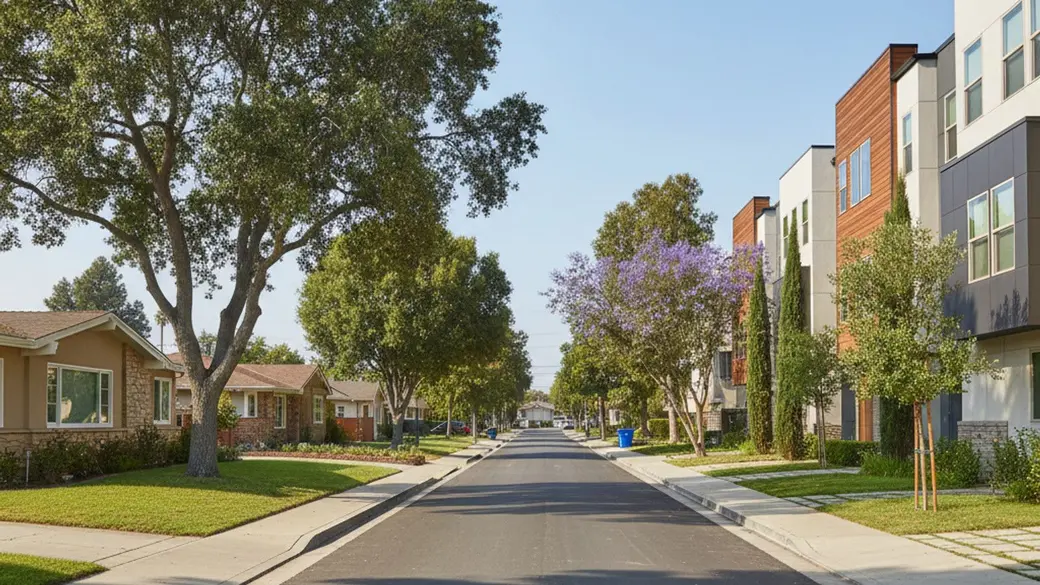
Hawthorne also features a diverse mix of property types, including mid-century single-family homes and newer townhome developments. Buyers often find that their purchasing power stretches significantly further here than in the neighboring Beach Cities. This dynamic makes the inland market highly active for investors and first-time buyers alike.
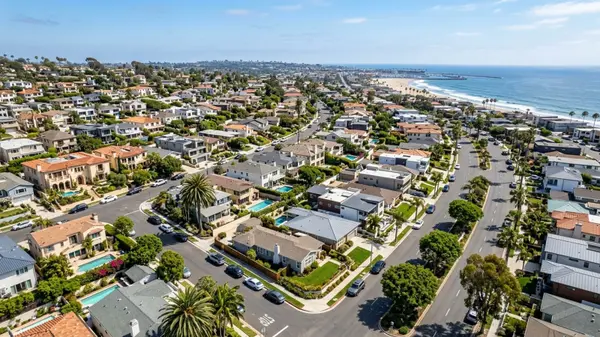
Contrast this with Redondo Beach, where the median home price heavily reflects coastal real estate premiums. The current median price in Redondo Beach hovers around $1,680,000, driven by limited inventory and high demand for ocean proximity. Buyers in this market are often paying for location and lifestyle rather than expansive lot sizes.
The takeaway here is clear for anyone entering the current market. Buyers must weigh the tangible value of the additional square footage in Hawthorne against the premium cost of immediate coastal proximity in Redondo Beach. Both markets offer solid historical appreciation, but the initial capital required differs dramatically.
Inventory levels in both cities will also play a major role in how negotiations unfold. Hawthorne frequently sees a higher volume of single-family residences hitting the market, providing buyers with more options during peak seasons. Redondo Beach inventory remains historically tight, meaning buyers must act aggressively when desirable properties are listed.
Property Taxes and Transfer Fees
Ongoing costs of homeownership vary noticeably between these municipalities, even though California sets a base property tax rate of 1% statewide. Local assessments, municipal bonds, and special district fees create variations that directly impact monthly carrying costs. Hawthorne currently operates with an effective property tax rate of approximately 1.35%.
Redondo Beach carries a slightly lower effective property tax rate of roughly 1.19%. However, buyers purchasing in Redondo Beach must also account for a specific city transfer tax calculated at $2.20 per $1,000 of the sale price. These municipal fees add significant closing costs to high-value coastal transactions, requiring buyers to have additional cash on hand at signing.
Commuting and Transportation Infrastructure
Regional transit access and daily driving routines differ dramatically depending on which side of the coastal divide a property sits. Hawthorne holds a strategic advantage for commuters, benefiting from its immediate adjacency to both the 405 and 105 freeways. This positioning allows for highly efficient travel times to Los Angeles International Airport and the broader aerospace employment hub situated in El Segundo.
Residents in Hawthorne can often bypass local traffic bottlenecks that plague coastal communities during peak hours. The grid layout of the city provides multiple surface street alternatives when the freeways inevitably slow down. This level of access is a major draw for professionals who need to navigate Los Angeles County daily.
Redondo Beach relies heavily on the Pacific Coast Highway, also known as California State Route 1, along with Artesia Boulevard for regional connectivity. Coastal living inherently adds time to freeway access, meaning residents spend more time navigating surface streets before reaching major interstate arteries. Commuting from the beach to downtown Los Angeles requires a significant time commitment.
The takeaway regarding transportation is straightforward for prospective residents. Hawthorne offers logistical superiority for daily freeway commuters who value time saved on the road. Conversely, Redondo Beach rewards buyers who work locally, operate remotely, or are willing to trade a longer commute for ocean breezes.
Additionally, the proximity to public transit hubs differs between the two areas. Hawthorne offers closer access to the regional light rail network, providing an alternative to daily freeway driving. Redondo Beach residents generally rely on personal vehicles for transportation outside of their immediate local neighborhoods.
Local Amenities and Recreation
The geographic location of each city dictates its primary recreational offerings and overall municipal atmosphere. Redondo Beach is defined by its coastal attractions, including King Harbor, the municipal pier, and the boutique shopping district of Riviera Village. Residents also benefit from immediate access to the Marvin Braude Bike Trail, which connects the Beach Cities along the Pacific Ocean.
The coastal lifestyle in Redondo Beach centers around outdoor recreation, water sports, and walkable commercial districts. The local infrastructure heavily supports pedestrian activity, particularly in the southern portion of the city near the Palos Verdes peninsula. This environment creates a resort-style daily experience that commands a premium price tag.
Hawthorne provides a more localized set of amenities, featuring municipal parks and the retail hub of the South Bay Galleria. The city also maintains a prominent identity as a major center for the aviation and aerospace industry, most notably housing the SpaceX headquarters. The commercial corridor along Hawthorne Boulevard offers diverse dining and practical retail options.
The primary takeaway is that these two cities serve completely different lifestyle preferences. Redondo Beach provides a resort-style daily environment focused on water and outdoor leisure. Hawthorne serves as a functional, commercially dense suburban center with an industrial edge.
Beyond the prominent landmarks, both cities host a variety of community facilities that shape the local experience. Redondo Beach maintains extensive beachfront parks and dedicated green spaces that integrate seamlessly with the residential neighborhoods. Hawthorne emphasizes practical community centers and recreational facilities designed to serve its dense suburban population.
Overview of the Educational Landscape
Verifying school district boundaries prior to closing is a critical step for buyers in the South Bay market. District zoning directly impacts both resale value and property taxes, making it a critical metric for any buyer regardless of their personal educational needs. The Redondo Beach Unified School District serves the vast majority of residential properties within the coastal city limits.
Properties located within a unified district often experience different demand cycles compared to those in split districts. Real estate professionals consistently advise buyers to check the specific school assignments for any target property. Redondo Beach maintains a highly centralized approach to its municipal educational facilities.
The educational zoning in Hawthorne utilizes a split administration model based on grade levels. Younger students fall under the jurisdiction of the Hawthorne School District, while secondary education is managed by the Centinela Valley Union High School District. This dual-district structure is common in certain parts of Los Angeles County but requires careful verification.
Buyers evaluating properties near municipal borders should always confirm exact zoning assignments through official county records. Street boundaries can be complex, and assuming a property belongs to a specific district based solely on its zip code is a frequent mistake. The takeaway is that due diligence on district lines is non-negotiable for protecting long-term property values.
Ultimately, understanding the administrative structure of local schools provides insight into municipal tax allocations. The unified nature of the Redondo Beach system streamlines administrative costs, while Hawthorne's split districts reflect a different historical approach to municipal planning. Buyers should discuss these structural differences with their agent to fully grasp the local tax implications.
Frequently Asked Questions
Is Hawthorne a nice part of LA to live in?
Hawthorne offers a highly practical location characterized by rapid commute times and immediate proximity to major employment centers. The city provides direct access to the 105 and 405 freeways, placing residents just minutes from Los Angeles International Airport. Objective crime statistics align with typical commercial hubs in Los Angeles County, making it a functional choice for aerospace professionals.
Is Redondo Beach, CA a wealthy area?
Redondo Beach is considered an affluent housing market based on its current property valuations and coastal location. The 2026 median home price of approximately $1,680,000 sits significantly above national and state averages. This premium reflects the high demand for properties located within walking distance of the Pacific Ocean.
How do you commute from Hawthorne to Redondo Beach?
The most direct route between the two cities involves taking Hawthorne Boulevard south before transitioning to local surface streets like Artesia Boulevard. The typical drive time between the city borders averages 15 to 25 minutes depending on daily traffic conditions. Commuters rely entirely on these major arterial roads since there is no direct freeway connection linking the two municipalities.
Categories
Recent Posts