
Redondo Beach Relocation Guide: Everything Before the Move

Relocating to Redondo Beach means choosing a coastal lifestyle while planning carefully for a high-cost housing market. This Redondo Beach Relocation Guide starts with the essentials: Housing options, daily routines, schools, regional employment access, and recurring ownership costs. The right fit often comes down to whether you value beach proximity, a more residential setting, or easier access to work destinations across the South Bay. Before moving, narrow your preferred home type, budget, commute pattern, and the amenities you want close to home.
Redondo Beach Relocation Quick Reference
The following indicators describe the Redondo Beach postal-city area, which is defined by ZIP codes and may be broader than the incorporated city.
Median home value: $1,516,711. Housing is firmly in the upper mid-range coastal category, and the same budget can produce very different choices depending on location, parking, lot size, condition, and proximity to the water. Detached homes, townhomes, condos, and smaller attached residences give relocating buyers several paths into the market. Recent closed sales point the same way: over the 90 days ending September 30, 2026, the citywide median sale price was $1,541,766 across 179 sales.
Median household income: $132,562 per year. The local average household income is $168,453, and 27.38% of households report income of $200,000 or more. That profile helps explain sustained demand for flexible layouts, outdoor space, parking, and homes that can accommodate hybrid work.
Cost of living: The overall index is 130, compared with a national benchmark of 100. Housing, transportation, food, and apparel are all meaningful budget categories, so a relocation plan should account for monthly ownership costs as well as the purchase price.
Population: 77,119. The postal-city area combines established residential streets with beach access, commercial corridors, harbor activity, and a mix of older and updated homes.
Housing mix: Owner-occupied households represent 51.68% of occupied homes, while 48.32% are renter-occupied. That balance gives newcomers options to rent first, purchase immediately, or compare several property formats before committing.
Biggest relocation draw: Lifestyle. Average annual temperatures range from 53.74°F to 70.97°F, supporting year-round access to beaches, parks, walking routes, restaurants, and waterfront recreation.
Redondo Beach by the Numbers
Selected indicators for the Redondo Beach postal-city area provide a practical starting point for a move.
| Metric | Reference point |
|---|---|
| Median home value | $1,516,711 |
| Median sale price (90 days ending Sept. 30, 2026) | $1,541,766 |
| Overall cost-of-living index | 130 (U.S. benchmark is 100) |
| Median household income | $132,562 |
| Population | 77,119 |
Why People Are Moving to Redondo Beach
People are moving to Redondo Beach for a coastal routine paired with access to employment, services, and several distinct residential environments. The appeal is not one-size-fits-all: North Redondo can suit buyers who prioritize practical routes toward regional job centers, while South Redondo can better match a waterfront-focused daily routine.
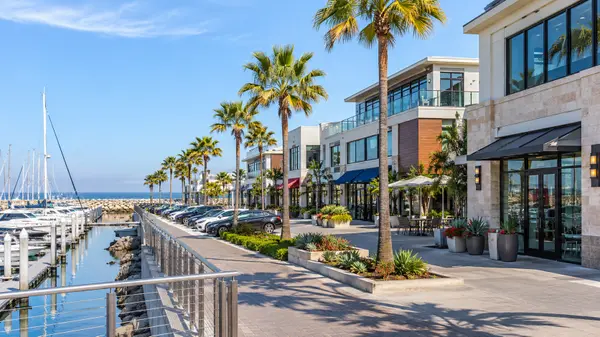
Lifestyle is a clear pull factor. The City highlights King Harbor, Redondo Beach Pier, Seaside Lagoon, beaches, parks, and Riviera Village among its signature destinations. King Harbor supports boating and fishing, while the pier and waterfront add restaurants, shopping, cycling, and public gathering spaces to everyday life.
Employment access also matters. The northern industrial area is anchored by Northrop Grumman, and the broader local economy includes education, public services, hospitality, retail, healthcare, and professional work. For hybrid workers, the decision often centers on home layout, parking, and the tradeoff between a beach-adjacent address and a more inland location.
Housing variety gives relocators room to compare detached homes, townhomes, condos, and attached residences rather than focusing on one property type. Browsing homes currently for sale in Redondo Beach can help illustrate how location and housing style affect the options available at a given budget. For a frank look at the tradeoffs of daily life here, this overview of living in Redondo Beach is a useful companion read.
Cost of Living in Redondo Beach
Redondo Beach sits well above the national cost-of-living benchmark, with an overall index of 130 compared with 100 nationally. Housing drives most of that difference, but transportation, food, and everyday services also run higher than many relocating households expect.
California's statewide property-tax rate is 1% of taxable value, plus rates needed for locally approved bonded indebtedness. Special assessments and property-specific circumstances can also affect the final bill, so ask for an estimate based on the specific home and purchase price rather than a seller's current tax bill.
Housing Market Overview
Redondo Beach gives buyers a choice of detached homes, townhomes, condos, and attached residences, with the best option depending on location and lifestyle priorities. Single-family homes often appeal to move-up buyers seeking private outdoor space, additional bedrooms, parking, or room for a home office.
Townhomes can offer more living area than many condos while reducing some exterior-maintenance responsibilities associated with a detached property. They have also been the most efficient way to buy space recently: over the 90 days ending September 30, 2026, townhouses sold for a median of $739 per square foot, compared with $818 for condos and $944 for single-family homes. This comparison of home types in Redondo Beach breaks that down further.
Condos can suit buyers who prioritize a lower-maintenance foothold near the beach, the harbor, Riviera Village, or the Esplanade. Shared walls, HOA dues, parking arrangements, and building maintenance become important comparison points in these formats.
The market does not move uniformly across every property type or neighborhood. Well-located homes with functional layouts and updated systems can attract stronger interest than properties needing extensive work. Buyers should compare condition, storage, natural light, outdoor usability, and ownership costs rather than relying on a single citywide impression.
New construction is generally infill-oriented instead of master-planned. That makes individual property review especially important, including lot configuration, building age, renovation quality, HOA documents where relevant, and the practical demands of coastal ownership. Buyers working with Clara Baum benefit from her contractor spouse's eye here, with an on-the-spot read on a home's condition, renovation potential, and hidden costs before they make an offer.
Neighborhoods and Communities in Redondo Beach
Redondo Beach offers several distinct living environments, and neighborhood fit can matter as much as the house itself.
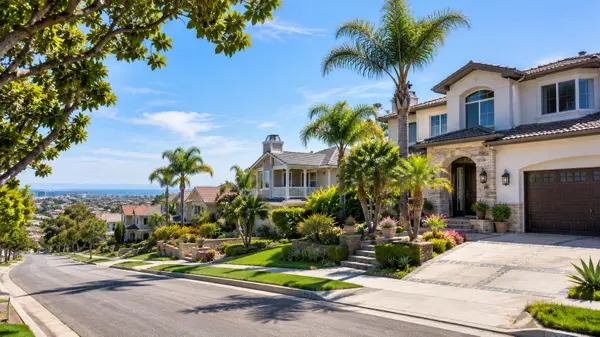
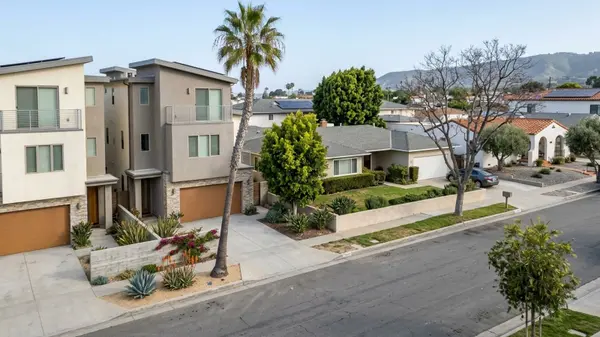
South Redondo is best for buyers who want beach access, restaurants, harbor activity, and a more visibly coastal routine. Housing includes condos, townhomes, cottages, and detached homes, making it relevant to downsizers, remote workers, and move-up buyers who value walkability.
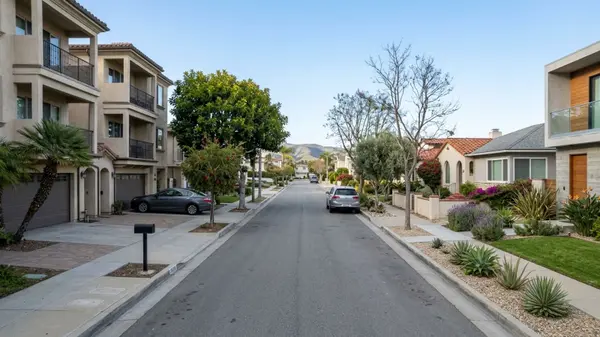
North Redondo has a more inland residential character, with detached homes, townhomes, and attached housing. It can suit relocating households that prioritize parking, functional floor plans, and routes toward regional employment centers.
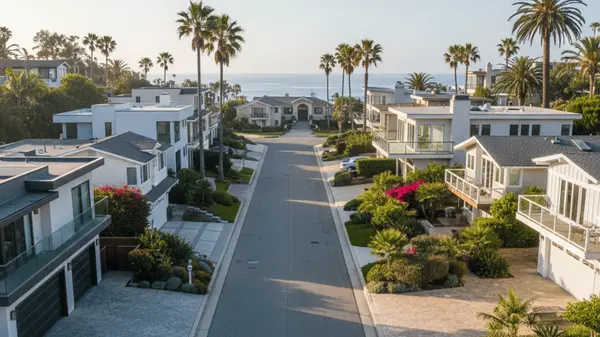
The Avenues and Esplanade area emphasizes shoreline access, ocean-facing streets, and proximity to the Strand. Buyers who choose this setting often weigh beach access and views against visitor activity, smaller lots, and parking considerations.
Riviera Village suits residents who want restaurants, shops, services, and coastal recreation close to home. Its lifestyle appeal can work well for buyers who prefer to combine errands, dining, and leisure into a more walkable routine.
King Harbor and the Pier area appeals to residents drawn to boating, fishing, beach time, and waterfront activity. Nearby homes place recreation close by, though buyers should consider traffic patterns and seasonal visitor activity.
Street-by-street differences are where local knowledge pays off. As a lifelong South Bay resident raising her family in the community, Clara can speak to how each area feels on a school morning, a summer weekend, or a quiet weeknight, which is hard to judge from a short visit.
Redondo Beach Relocation Guide: Jobs and Economy
Redondo Beach offers access to a diversified South Bay economy rather than relying on one downtown employment district. Aerospace is a major presence, with Northrop Grumman anchoring the northern industrial complex. The City also identifies employment and commercial activity around the harbor and pier, the regional mall area, and Riviera Village.
Education, city services, retail, hospitality, shipping, healthcare, professional services, and technology-related work broaden the local and regional employment picture. This mix can be useful for households with different work arrangements, including commuters, hybrid employees, and professionals who need space for a dedicated home office.
Healthcare professionals relocating for a new role may want to map their shifts against home location early. This local guide to hospitals in Redondo Beach is a good place to start when comparing neighborhoods by commute.
For relocating buyers, practical job access often depends on the exact destination and work schedule. North Redondo may be more convenient for some inland trips, while South Redondo can prioritize proximity to beach amenities outside working hours. Before choosing a property, test likely weekday travel times, parking needs, internet service, and the amount of separation needed between work and living space.
Schools and Education
Redondo Beach is primarily served by Redondo Beach Unified School District, and school assignment should be verified for each specific address before a move. The district operates eight elementary schools, two middle schools, one comprehensive high school, and alternative and independent-study high school options.
The district's elementary schools are Alta Vista, Beryl Heights, Birney, Jefferson, Lincoln, Madison, Tulita, and Washington. Adams Middle School, Parras Middle School, and Redondo Union High School are among the district's secondary campuses.
Attendance boundaries, capacity, enrollment procedures, transportation, academic programs, and student-support services can differ by property and school. The district's School of Choice policy allows eligible resident families to request another district school when space is available, but each school first serves students within its attendance area.
Private-school options are also available in the area. Families should compare program fit, commute logistics, enrollment requirements, and a student's individual needs alongside any published performance information.
Climate and Lifestyle
Redondo Beach supports an outdoor-oriented lifestyle for much of the year, with mild coastal conditions, ocean breezes, and limited rainfall compared with many other parts of the country. Mornings near the coast can feel cooler, especially during late spring and early summer, so relocators should expect microclimate differences across the city.
Daily recreation can center on the beach, the Strand, Redondo Beach Pier, King Harbor, Seaside Lagoon, Veterans Park, Alta Vista Park, Dominguez Park, and Hopkins Wilderness Park. Walking, cycling, boating, fishing, beach time, and outdoor dining can become regular parts of the routine rather than occasional outings.
The main climate-related ownership consideration is earthquake preparedness. Buyers should review building condition, insurance options, emergency supplies, and retrofit history where relevant. Coastal exposure can also affect exterior maintenance, including paint, windows, metal fixtures, decks, and landscaping. A property near the water may deliver a compelling lifestyle, but it can require a more deliberate long-term maintenance plan.
What to Budget Beyond the Purchase Price
- Property taxes: California's base property-tax rate is 1% of taxable value, with locally approved bonded debt and assessments potentially adding to the bill.
- Homeowner's insurance: Building age, replacement cost, coverage choices, and earthquake insurance decisions can materially affect annual premiums.
- HOA dues: Condos and many townhomes may have monthly dues for common-area maintenance, reserves, building insurance, and amenities.
- Utilities: Coastal weather can moderate heating and cooling needs, but home size, system age, electric-vehicle charging, and appliance choices still affect monthly costs. Here is what to expect from local water service.
- Transportation: Parking, vehicle ownership, fuel, maintenance, and work travel should remain part of the budget even for households close to beach amenities.
Redondo Beach Relocation Decision Framework
| Factor | What to weigh in Redondo Beach |
|---|---|
| Housing setting | Coastal and inland residential mix, from beach-close condos to North Redondo single-family streets |
| Cost profile | Above the national benchmark, with housing as the largest driver |
| School research | Address-specific district research and School of Choice availability |
| Commute orientation | North and South Redondo offer different regional routes |
| Climate planning | Mild coast, earthquake readiness, and coastal exterior maintenance |
| Lifestyle fit | Beach, harbor, parks, Riviera Village, and residential streets |
Frequently Asked Questions About Moving to Redondo Beach
Is Redondo Beach a good place to live?
Redondo Beach can be a strong fit for people who want beach access, parks, harbor activity, and a choice between waterfront and inland residential settings. The best neighborhood depends on how much you value walkability, parking, commute convenience, and proximity to the coast.
How affordable is housing in Redondo Beach?
Housing is expensive by national standards. The postal-city median home value is $1,516,711, and the citywide median sale price over the 90 days ending September 30, 2026 was $1,541,766. Buyers can find different entry points through condos, townhomes, attached residences, and detached homes, although location and condition strongly influence what a budget can buy.
What are the job prospects in Redondo Beach?
Job access is supported by aerospace, education, city services, hospitality, retail, healthcare, and the broader South Bay economy. Northrop Grumman is a major local employment anchor, while regional work options make commute planning important.
What should I know about schools in Redondo Beach before moving?
Confirm attendance boundaries and enrollment procedures for the exact address you are considering. Redondo Beach Unified School District provides elementary, middle, comprehensive high-school, alternative, and independent-study options, with school choice requests dependent on available capacity.
What are the biggest costs to budget for when relocating to Redondo Beach?
Plan for property taxes, insurance, HOA dues where applicable, maintenance, utilities, parking, and transportation in addition to the purchase price. Coastal location and property type can change the ongoing cost picture significantly.
Planning Your Move to Redondo Beach?
Clara Baum of Real Estate with Clara, is a licensed real estate agent with Estate Properties based in Redondo Beach and a Top Realtor in Redondo Beach (2025). She helps relocating buyers compare neighborhoods, home types, budgets, and daily-life priorities, and her MBA-trained approach to negotiation helps clients compete with confidence once the right home appears. Call or text (310) 447-1537, email realestateclara@gmail.com, or get in touch here for property-specific guidance on your move.
Categories
Recent Posts