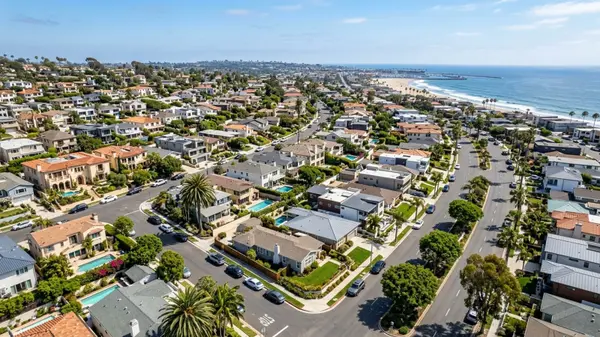

Redondo Beach vs Manhattan Beach CA: The 2026 Coastal Buyer's Guide
Navigating the 2026 South Bay real estate market often comes down to choosing between neighboring coastal powerhouses. Buyers weighing Redondo Beach vs Manhattan Beach CA quickly discover that while both share the same stretch of the Pacific Ocean, their housing markets operate on different wavelengths. Understanding these localized differences is crucial for making an informed investment along this premium coastline.
The choice between these Beach Cities involves more than just picking a favorite stretch of sand. Property types, entry price points, and daily commute logistics vary significantly just a few miles apart in Los Angeles County. Whether you are looking for a sprawling luxury estate or a low-maintenance waterfront condo, each city presents a distinct value proposition for today's buyer.
Real Estate Market Trends and Housing Costs
The 2026 real estate landscape in the South Bay continues to command a steep coastal premium. Buyers entering either market must account for baseline carrying costs governed by the 1978 California Proposition 13, which limits annual property tax reassessments. This legislation heavily influences long-term carrying costs, making the initial purchase price a critical factor in your decade-long financial planning.
Beyond base property taxes, the structural differences in housing stock dictate your total monthly expenses. Detached homes dominate one market, while attached units with monthly HOA fees are prevalent in the other. The stark reality for 2026 buyers is that the carrying cost difference is not just about the purchase price - it is about the fundamental structure of ownership in each city.
Manhattan Beach Property Types and Prices
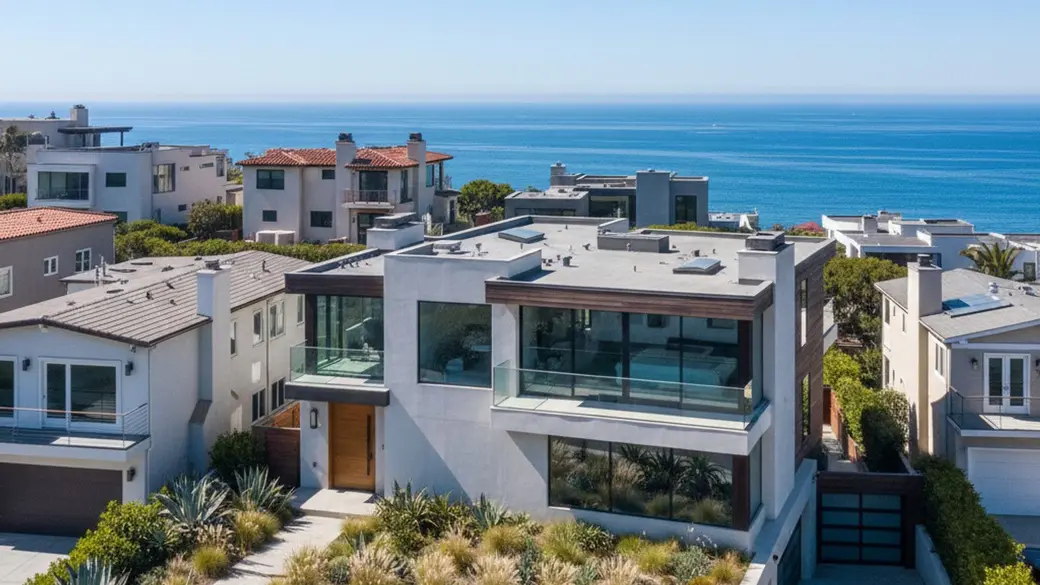
Manhattan Beach remains the apex of South Bay luxury real estate. The 2026 median home price hovers around $3,350,000, driven by a heavy concentration of high-end oceanfront properties and custom single-family homes. Areas like the Sand Section and Tree Section command premium valuations due to their larger lot sizes and immediate proximity to the water.
Buyers will find a noticeably lower inventory of entry-level condos here compared to neighboring coastal cities. This scarcity reinforces the city's status as a predominantly single-family market. Consequently, purchasing in this zip code requires a substantially higher barrier to entry.
Redondo Beach Neighborhood Variances
Just down the coast, Redondo Beach offers a noticeably different market makeup. The 2026 median home price ranges from approximately $1,600,000 to $1,700,000, providing a relatively more accessible entry point into the South Bay. This broader price range is a direct result of the city's diverse zoning and varied property types.
The market splits distinctly between North Redondo, known for traditional single-family homes on larger lots, and South Redondo, which features a high density of coastal townhomes and waterfront condos. This wider variety of attached housing creates more diverse inventory options. Buyers navigating this market generally have an easier time finding properties that align with specific budget constraints.
Commute Times to Los Angeles Employment Hubs
Evaluating commute logistics is a mandatory step for any South Bay buyer. Driving from either city to Downtown Los Angeles via the I-110 or I-405 during morning rush hours typically requires an hour or more. However, accessing Silicon Beach and major tech sector campuses is much more direct via the Pacific Coast Highway and Sepulveda Boulevard.
Proximity to major transit hubs is where the geography truly diverges. LAX is situated approximately 4 to 5 miles from Manhattan Beach, making it an incredibly convenient option for frequent flyers. In contrast, Redondo Beach sits further south, putting the airport roughly 7 to 8 miles away depending on your specific neighborhood.
Regional transit expansions are slowly changing how residents navigate Los Angeles County. The continued development of the K Line provides alternative commuting options for those looking to avoid freeway gridlock. Ultimately, Manhattan Beach wins on raw LAX proximity, but North Redondo Beach often provides smoother, faster access to the I-405 via the 190th Street corridor.
Comparing the Unified School Districts
Academic infrastructure is a major driver of property values across the Beach Cities. Both municipalities operate independent, highly rated unified school districts that feature specialized academic tracks and robust STEM program infrastructure at the high school level. Localized neighborhood boundaries strictly dictate elementary school assignments, making street-level geography incredibly important during your home search.
The primary difference between the two districts lies in their overall scale and campus counts. Because Redondo Beach covers a larger geographic area with a higher population density, its educational footprint is noticeably more expansive. The clear takeaway is that both districts offer top-tier academic facilities, making the choice more about housing preference than educational infrastructure.
-
The Manhattan Beach Unified School District footprint includes 5 elementary schools, 1 middle school, and Mira Costa High School.
-
The Redondo Beach Unified School District footprint consists of 8 elementary schools, 2 middle schools, and Redondo Union High School.
Local Amenities, Parks, and Beach Access
Coastal infrastructure defines the daily routine in both municipalities. The Marvin Braude Bike Trail, locally known as The Strand, seamlessly connects both cities along the Pacific Ocean, offering miles of paved pathways for cyclists and pedestrians. Designated beach access points and public parking availability vary by neighborhood, but both cities prioritize maintaining pristine waterfront environments.
The commercial layouts present entirely different atmospheres. The Manhattan Beach Pier is anchored by a highly curated, boutique retail layout with upscale dining options concentrated in a walkable downtown core. Conversely, the Redondo Beach Pier features a broader commercial density, offering a larger restaurant footprint and a more expansive marina environment.
Inland recreational facilities also reflect the distinct character of each city. Polliwog Park in Manhattan Beach serves as a massive community hub with an amphitheater, large pond, and extensive green space. Veterans Park in Redondo Beach provides a classic coastal park experience with sweeping ocean views right on the bluffs. Manhattan Beach delivers a curated boutique experience, while Redondo Beach offers a much broader, robust commercial footprint.
Frequently Asked Questions
Is Manhattan Beach more expensive than Redondo Beach?
Yes, Manhattan Beach carries a significantly higher price tag. The 2026 median home price in Manhattan Beach is roughly $3,350,000, compared to the $1,600,000 to $1,700,000 range found in Redondo Beach. This massive pricing gap is largely driven by the concentration of luxury single-family estates and oceanfront properties in Manhattan Beach.
Which city offers a shorter commute to LAX?
Manhattan Beach provides a noticeably shorter drive to the airport. LAX is located approximately 4 to 5 miles from Manhattan Beach, making for a quick trip up Sepulveda Boulevard. Redondo Beach is located further south, placing the airport terminals about 7 to 8 miles away.
What is the primary difference in available property types between the two cities?
Manhattan Beach is overwhelmingly dominated by high-end, single-family homes with very limited entry-level condo inventory. Redondo Beach offers a much wider variety of housing styles, including a high density of coastal townhomes and waterfront condos. This abundance of attached housing gives buyers more accessible entry points into the Redondo Beach market.
Categories
Recent Posts